Interview
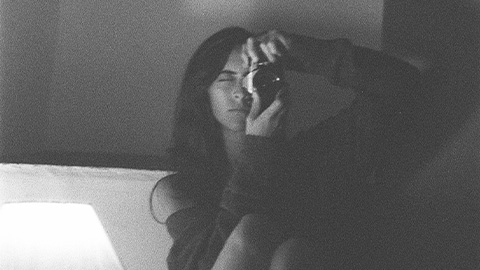
Laure Claire
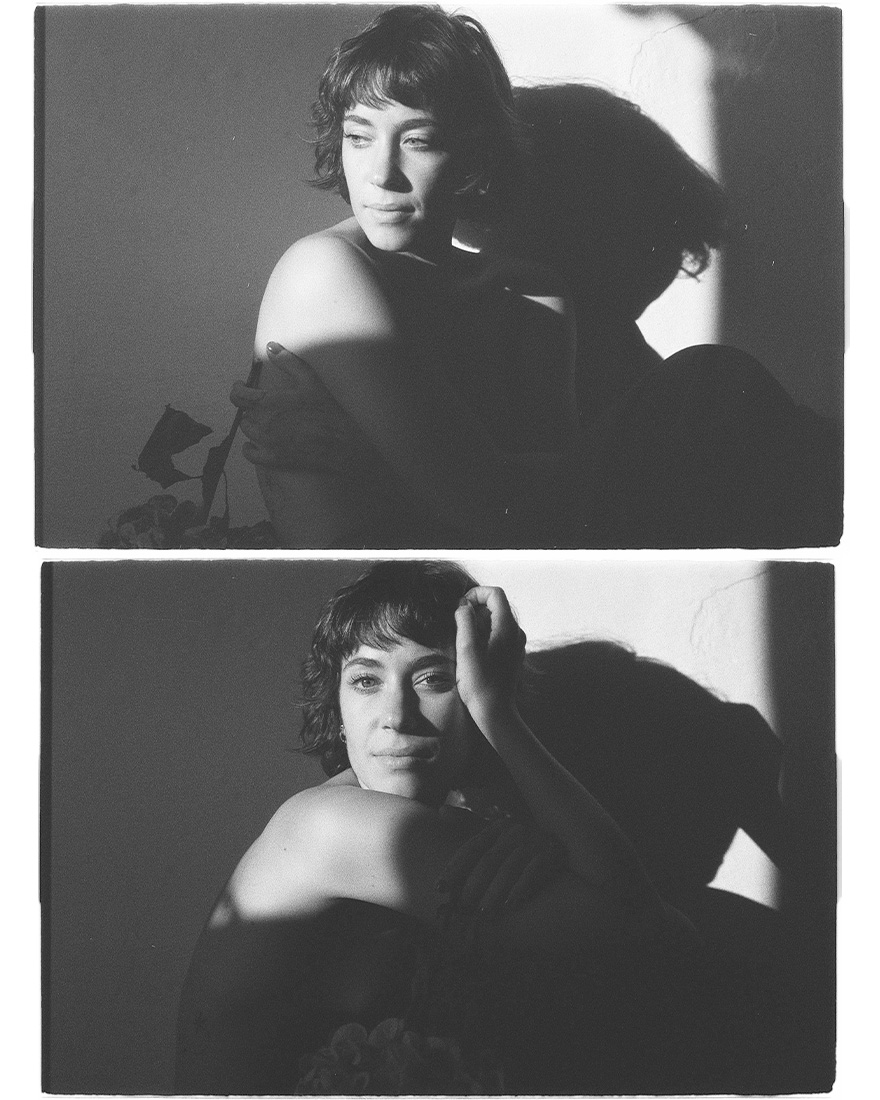
Laure Claire is a French artist working with film photography and ceramics. Originally from Marseille, she discovered analogue photography as a child. Inspired by the quiet beauty of everyday life and the Mediterranean, her work explores ordinary moments mainly captured through 35mm and Polaroid. She embraces film’s imperfections, from grain and blur to light leaks and double exposures. Seeing photography as a space for connection and healing, she creates heartfelt images that invite viewers to feel rather than simply see, turning fleeting moments into visual poetry. Her relationship with music feeds deeply into her photography, influencing the emotion, atmosphere, and rhythm of her images. Having lived in New Zealand, Australia, and Portugal, she is now based between Porto and Marseille, following instinct, light, movement, and curiosity as they shape her way of seeing and making.
You discovered analogue photography as a child. What was it about film that stayed with you and made you keep coming back to it over the years?
As a child, I remember how exciting it was not to know what you had captured until later. There is something magical about the waiting, the surprise, and even the disappointment that comes with it. You learn to trust the process and let go a little more. And when you only have 36 frames, or a handful of Polaroids, you naturally look more carefully and wait for the “right” moment. It makes everyday life feel a little more precious. I remember one specific moment from my childhood: I had photographed a sunset, and when I had the film developed, the lab surprised me by printing it in A5 because they thought it was a beautiful image. I was so proud to see something I had taken become a real print in my hands. I think that small moment was probably the beginning of a passion that never left me. I still come back to film for that element of surprise, and for everything it makes me feel.
Your photographs often focus on very simple, everyday moments. How do you train yourself to notice beauty in things that might seem ordinary or easy to overlook?
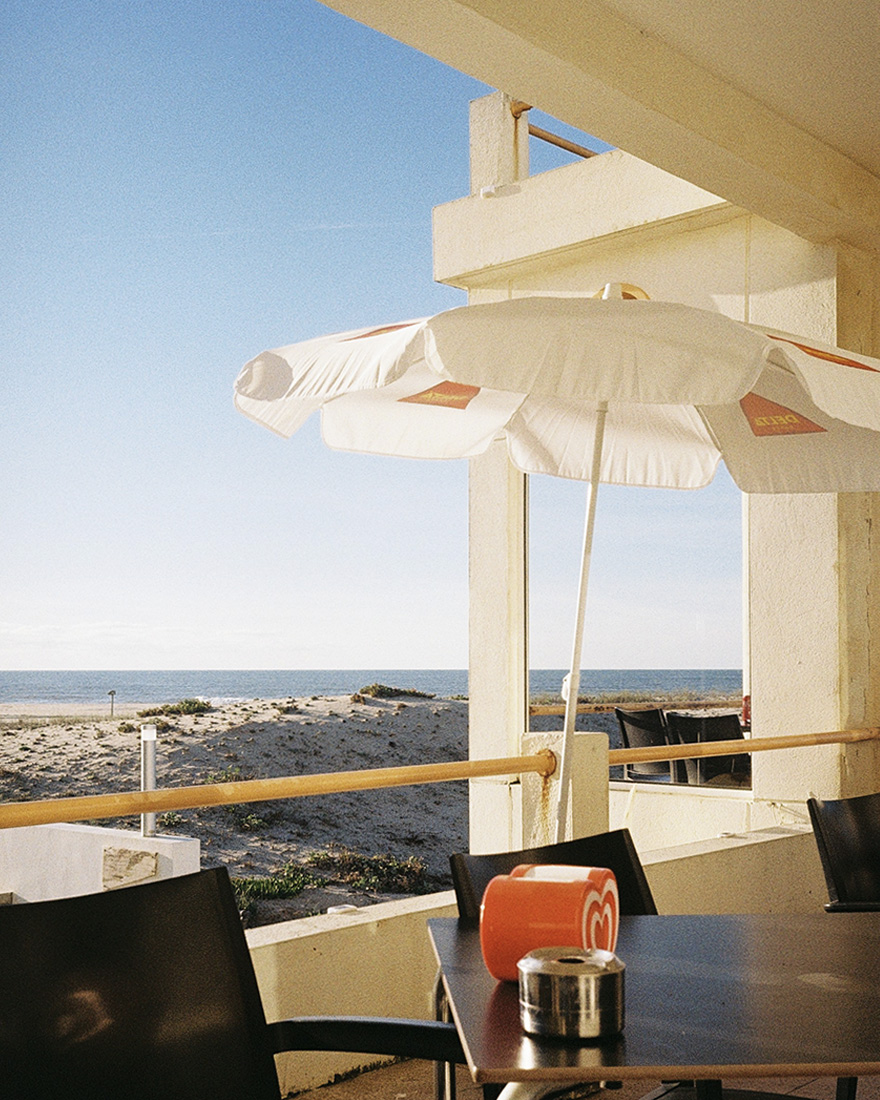
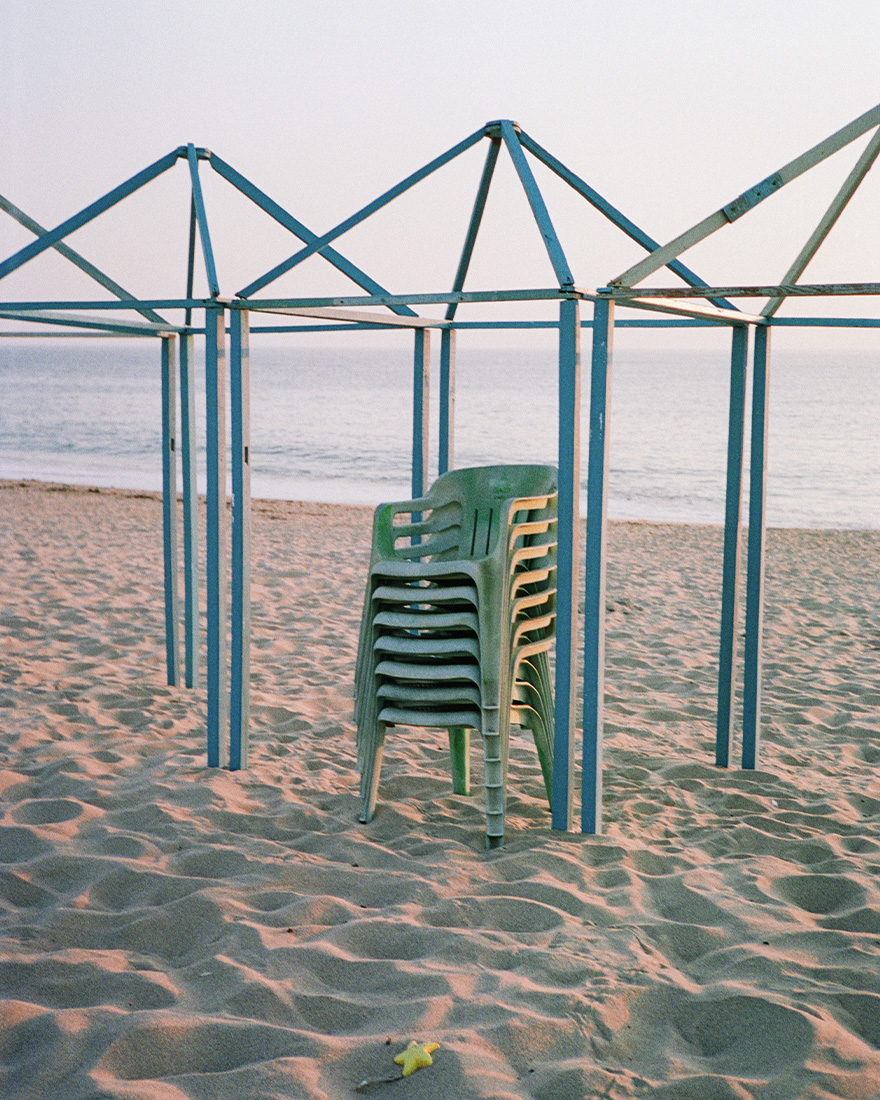
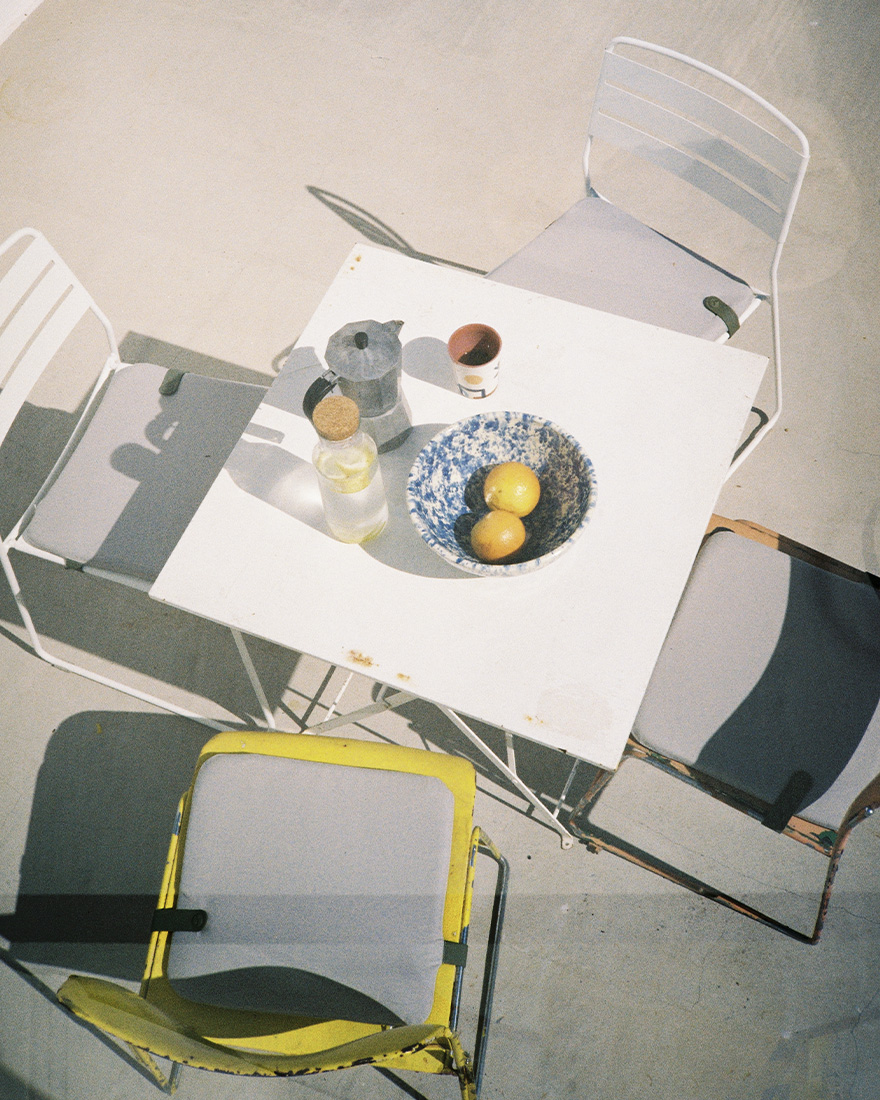
I don’t think I consciously train myself to find beauty in ordinary things. It’s an interesting question. I think I just try to stay curious and present enough to notice them. A lot of the moments that move me are very small: an Italian moka pot in a certain kind of light, the way the air feels at a certain hour, a hand on a table, the feeling of a place. They might seem insignificant, but something about them can suddenly stop me. I think photography has taught me to pay attention to feelings rather than only subjects. I don’t photograph something because it’s conventionally beautiful; I photograph it because it makes me feel something. Maybe it’s less about training myself to notice beauty and more about slowing down enough to see what’s already there. I try to follow instinct and curiosity, and to stay open to those small moments before they disappear.
I think we miss most of what is beautiful because we are looking for something extraordinary. I don’t want my photographs to tell you what to feel. I want them to make space for you to feel something of your own..
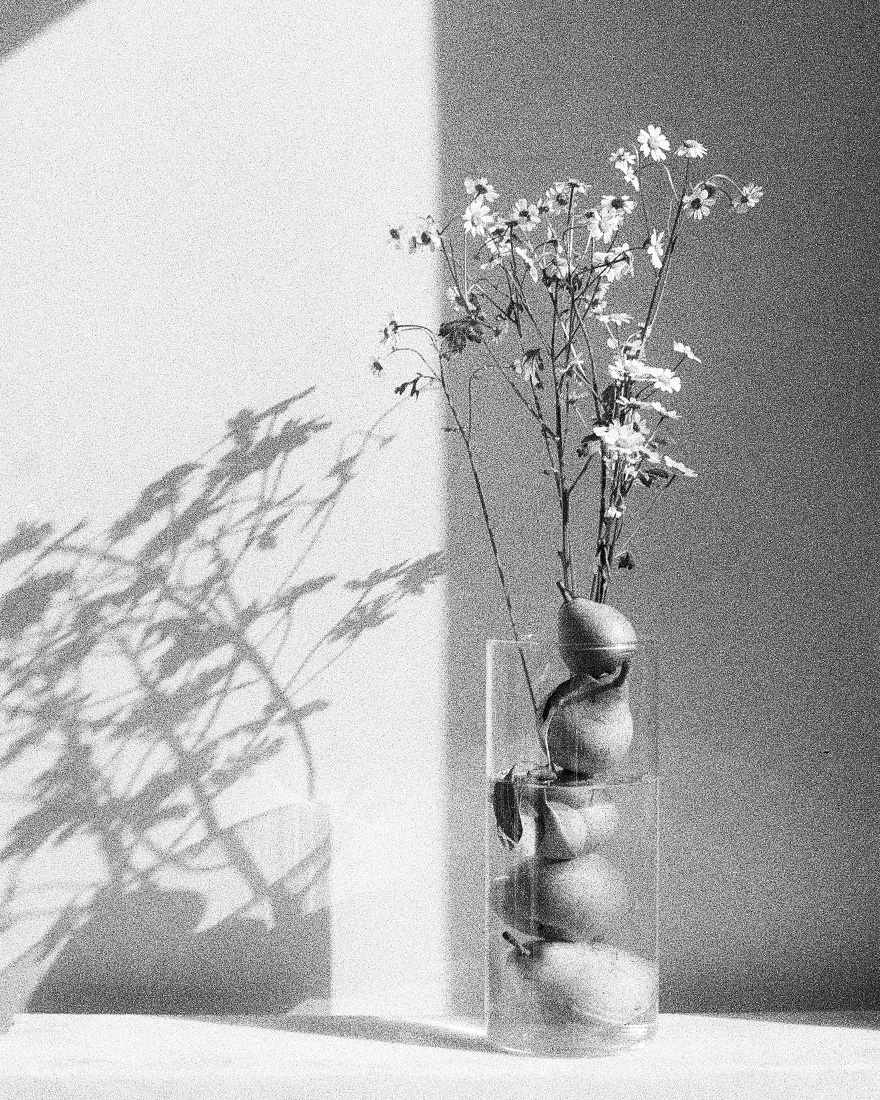
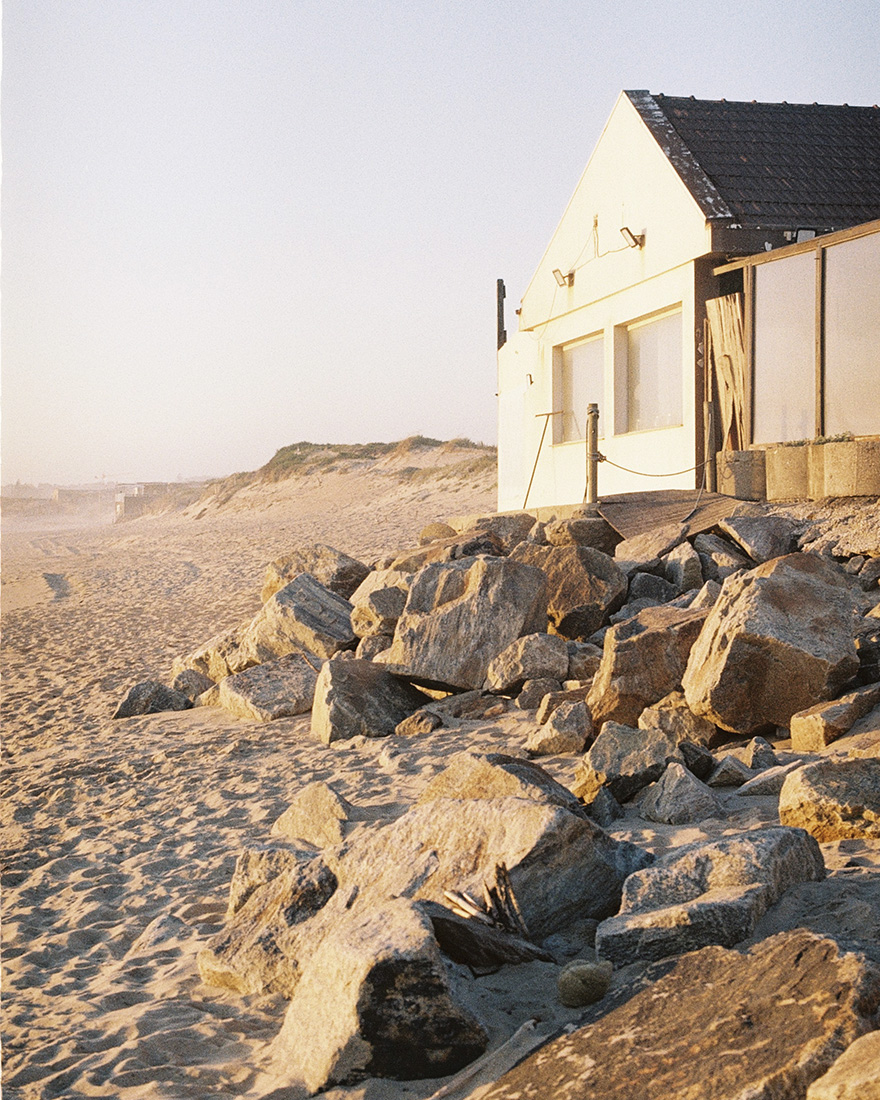
Grain, blur, light leaks and double exposures are an important part of your visual language. How much do you control these elements, and how much do you let chance become part of the image?
I think it’s a mix of both. I don’t necessarily try to create grain, blur, or light leaks, but I don’t try to avoid them either. I like letting the medium have a life of its own and accepting that not everything can be controlled. Sometimes I do experiment with movement, double exposures, and opening the camera on purpose to let light in. I’ve also learned to be more comfortable with the unexpected. Sometimes I open my camera because I can’t remember if I’ve put a film in, and I end up with what I call “happy mistakes.” I never know exactly how the image will turn out, and that’s part of what I love about film. I think those little imperfections can add something very human to a photograph. They can change the mood, create a feeling, or sometimes make an image more interesting than what I originally had in mind. I do like to leave room for the image to surprise me. Maybe it’s about finding a balance between intention and chance.
You work with both photography and ceramics. What do these two mediums have in common for you, and how does working with one influence the way you approach the other?
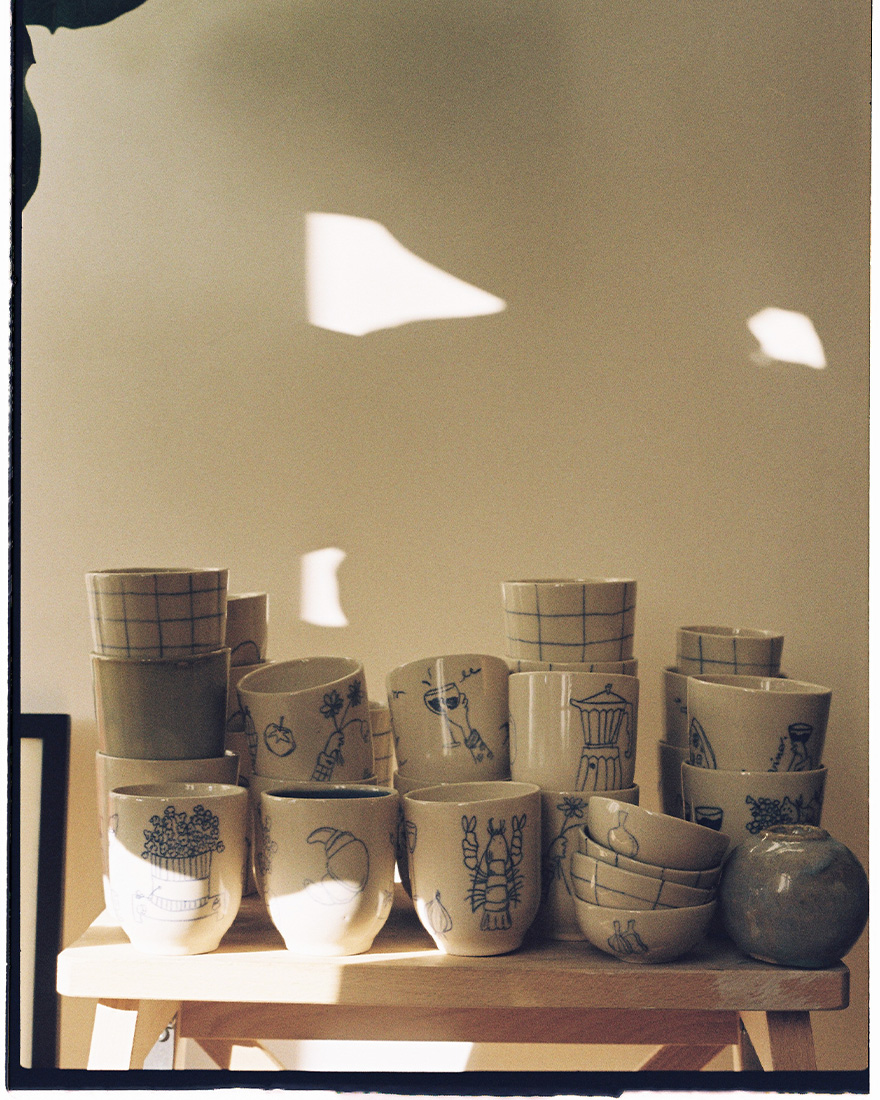
Photography and ceramics are both very intuitive processes. They both ask you to accept imperfection, be patient, and pay attention to texture, light, and shape. Clay and glazes have their own behaviour. Clay moves, cracks, and changes in the kiln, a bit like film does in the camera and the lab. You can’t control everything, and I love that. Since I started working with ceramics, I’ve become more drawn to photographing textures, shapes, lines, and small details. When I’m making a vase or a dish, I sometimes imagine how a shape or detail might look in a photograph, and how I could capture it in a certain light or from a certain angle. The two mediums really feed each other. Photography changes the way I look at what I make, and ceramics changes the way I look through my camera.
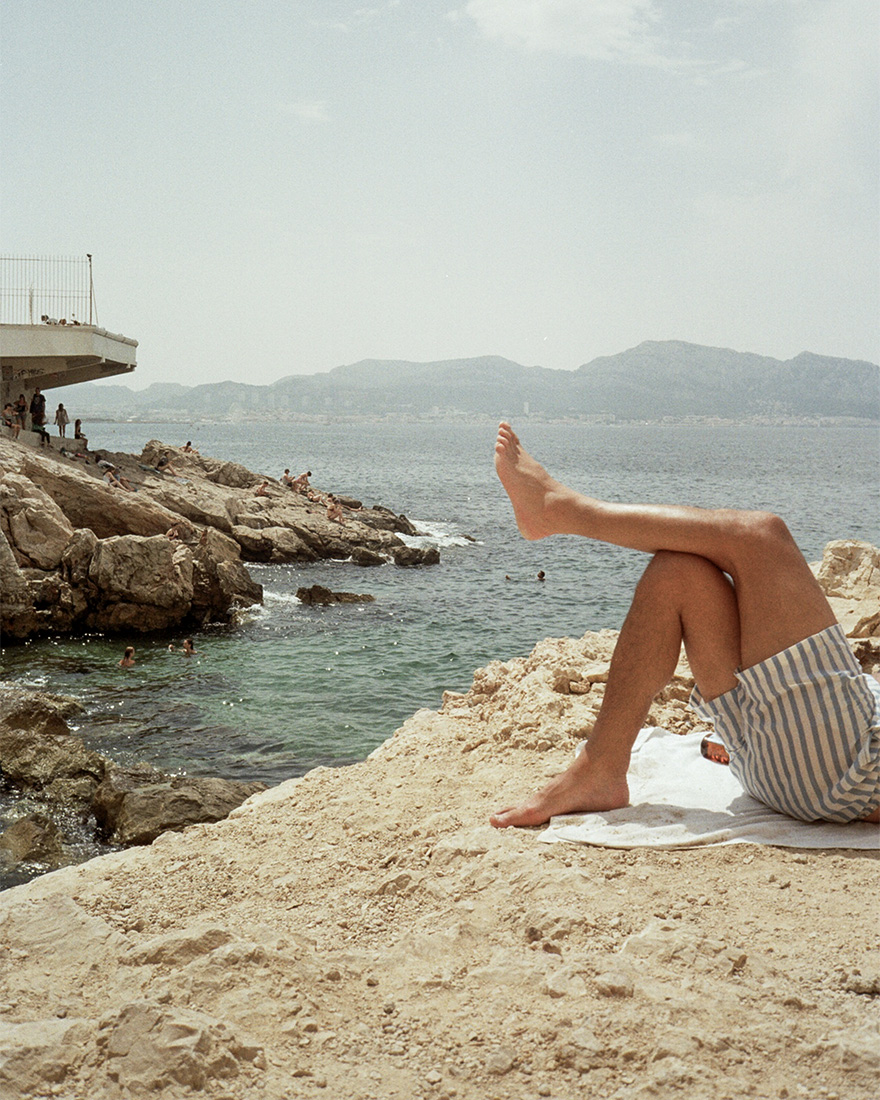
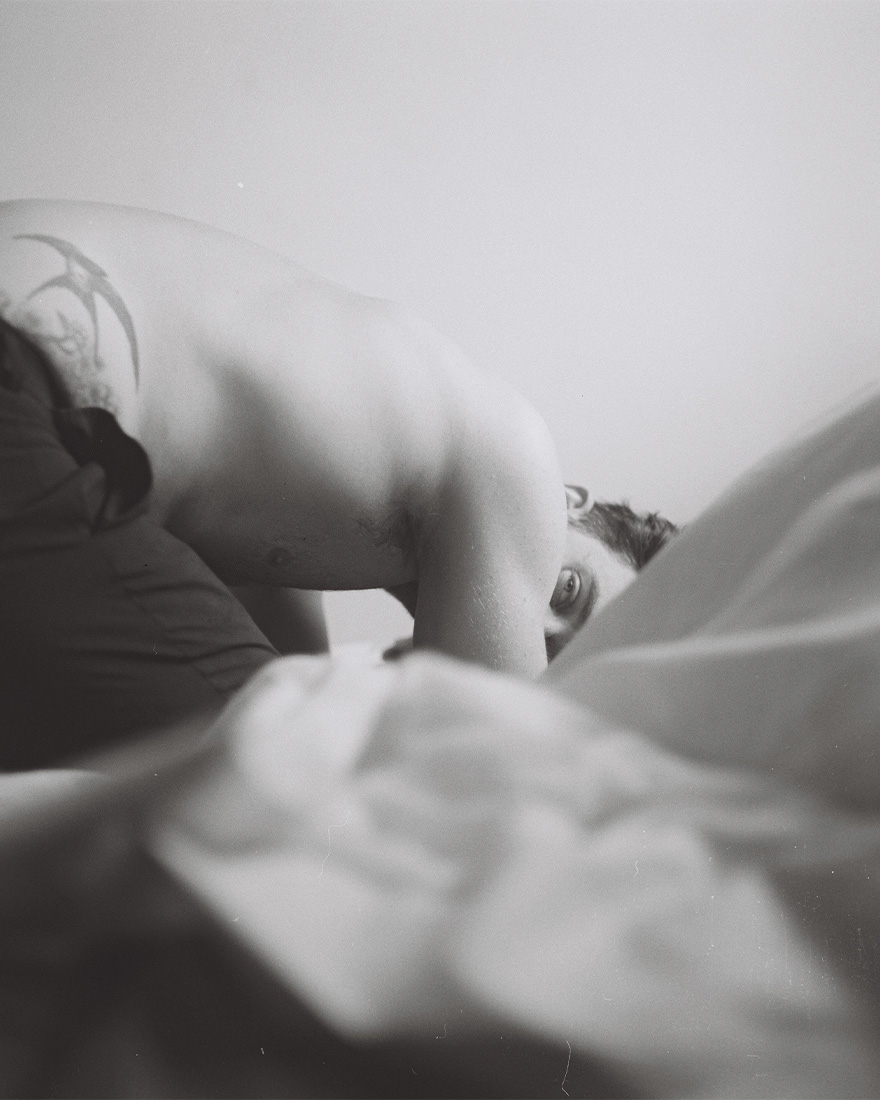
You have lived in different places, from New Zealand and Australia to Portugal, and now between Porto and Marseille. How have these different environments shaped the way you see and photograph everyday life?
I feel most at home when I’m discovering somewhere new. Travelling makes me feel alive, and whenever I feel it’s time for a change, I find myself a little closer to who I am, to what feels right. Marseille taught me how to see. Its light, colours, and intensity are still in everything I shoot. Portugal brought something softer and slower, and it probably changed the rhythm of my work. Living abroad also meant sometimes struggling with the language, which taught me other ways of connecting with people: a look, a gesture, a shared silence. Those moments mean even more to me now. Photography is how I find my place somewhere unfamiliar. It’s how I get to know a city and the people in it. I’m less interested in documenting what somewhere looks like than in capturing what it feels like to be there.
You describe photography as a space for connection and healing. Has your relationship with photography changed during different periods of your life, and what does taking photographs mean to you today?
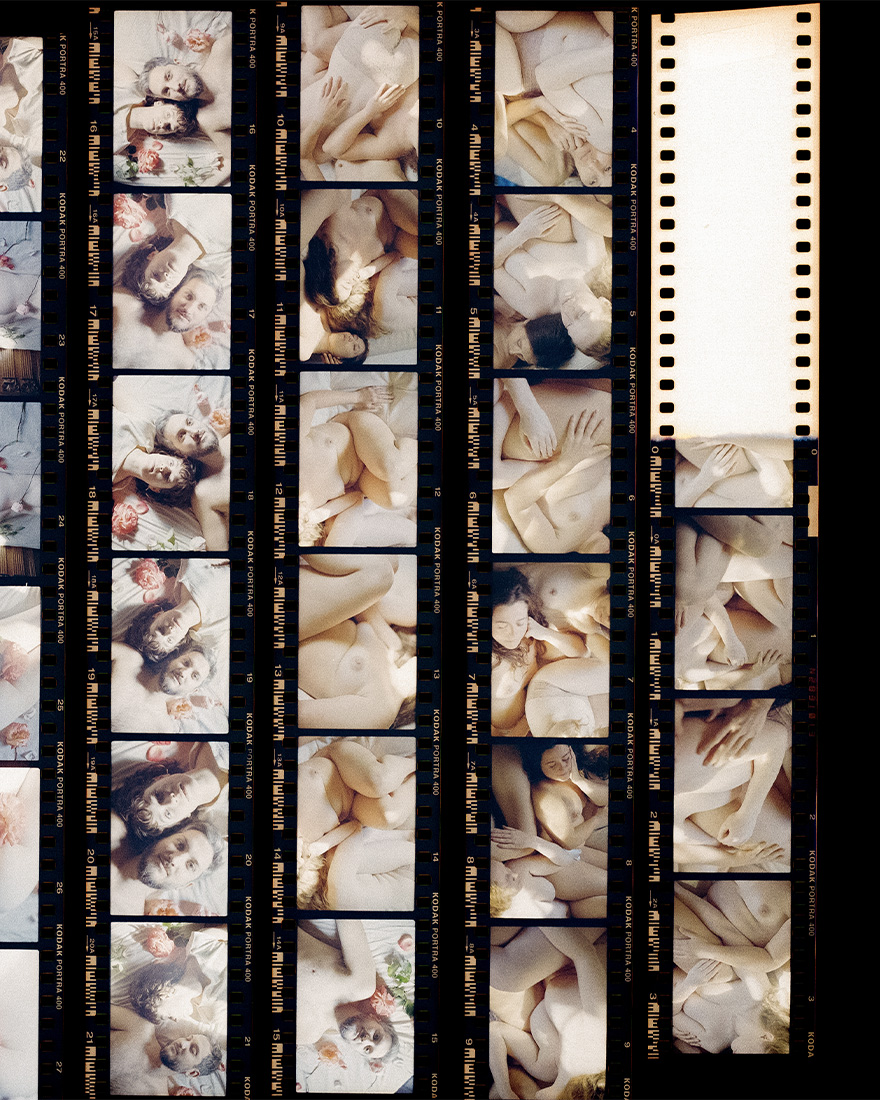
My relationship with photography has definitely changed over the years. When I was young, it was pure curiosity. Over time, it became a way to process my emotions and connect with people without needing many words. One of the things I love most is when someone tells me that my images made them feel something, even if they can’t quite put it into words. Photography has also helped me heal parts of myself, especially through self-portraiture. I hope that, in some small way, the experience of being photographed can help others feel more comfortable in their own bodies and with who they are, too. Today, taking photographs is a way for me to stay connected to myself and to others, and to make sense of things I don’t always know how to express in words.
For young photographers, it can be difficult to develop a personal style without feeling influenced by everything we see online. How did you find your own visual language, and what would you tell someone who is still searching for theirs?
I think finding your own visual language takes time, and it starts with learning to listen to yourself. It’s easy to see something working for someone else and think it might work for you too. I think there’s a fine line between being inspired by someone’s work and trying to recreate it, and sometimes that line gets blurred. You can admire someone else’s work, but finding your own voice means learning to see things in your own way. I’m influenced by so many things beyond photography: design, architecture, music, food, knitting, nature, and the things I come across in everyday life. I think inspiration can come from anywhere, and sometimes the things that shape your work most have nothing to do with your medium. For me, finding your style is about staying curious and noticing what you naturally connect with. It’s something that takes time to unfold, as you experiment, discover new things, and change along the way. There is only one you, and I think your visual language grows from all the little things that make you who you are.
If you could go back to the beginning of your journey as a photographer, what is one thing you would tell your younger self?
I’d tell her not to overthink it, to keep following her curiosity, and to remember that photography doesn’t always need a purpose. To trust her instincts and not rush. To keep shooting, even when she doubts herself or the pictures, because sometimes the ones she’s unsure about are the ones that matter most in the end.