Interview

Nevena Lukic
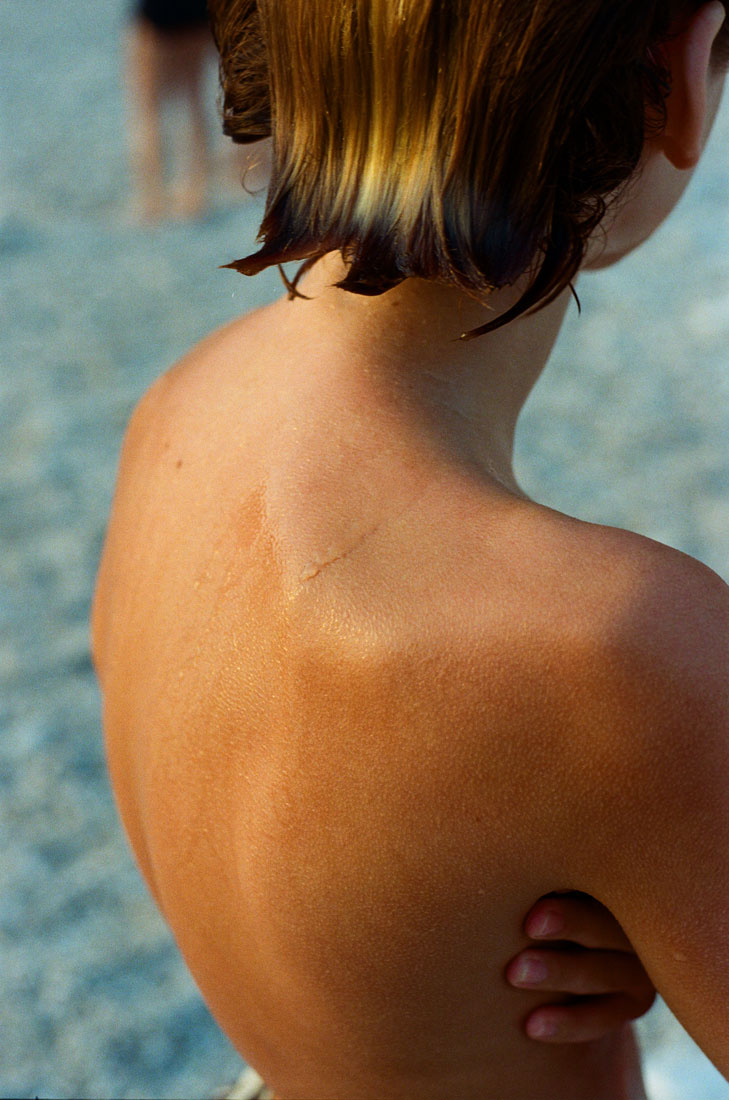
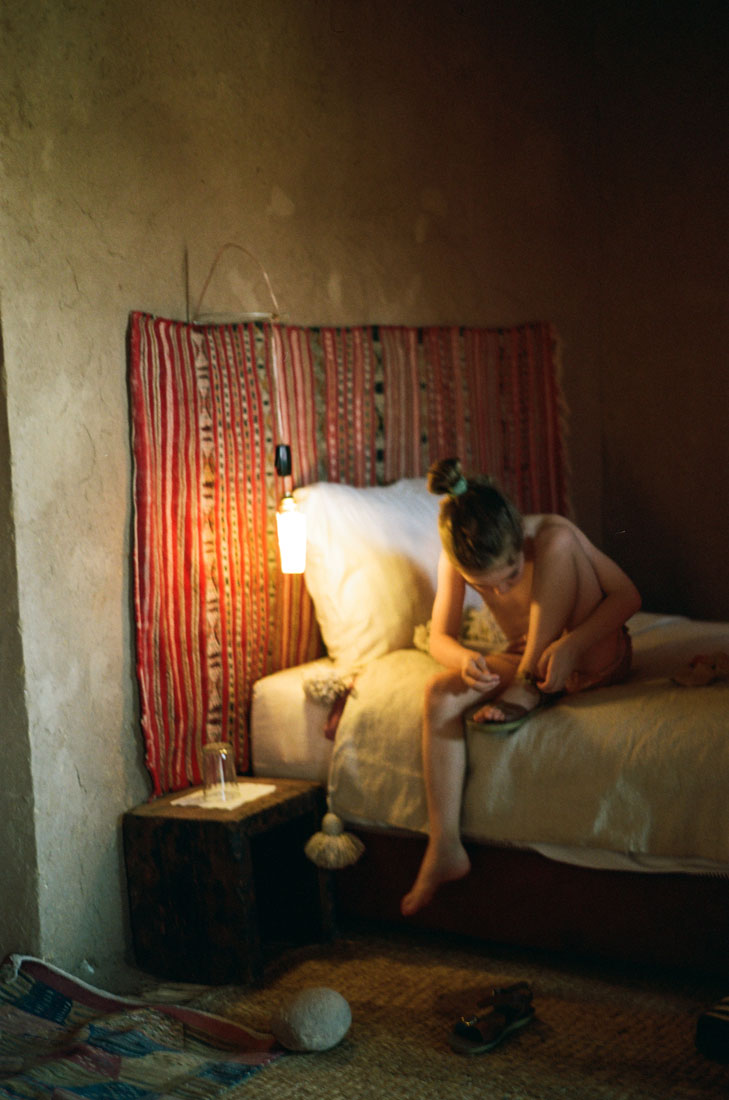
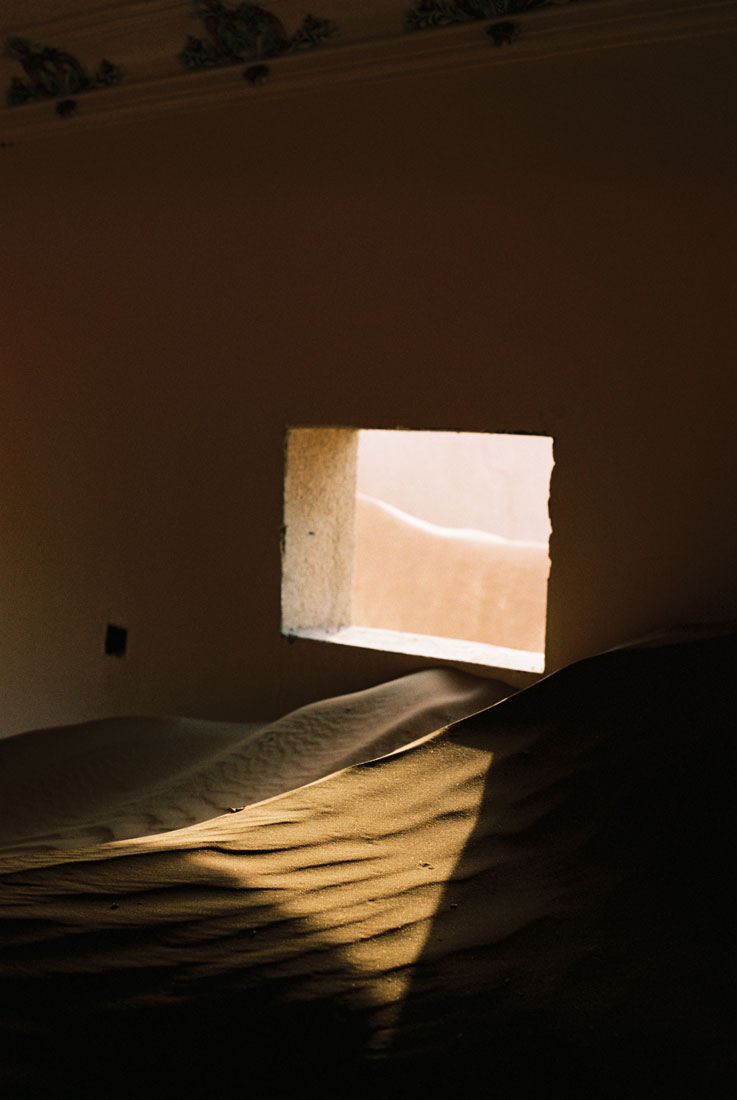
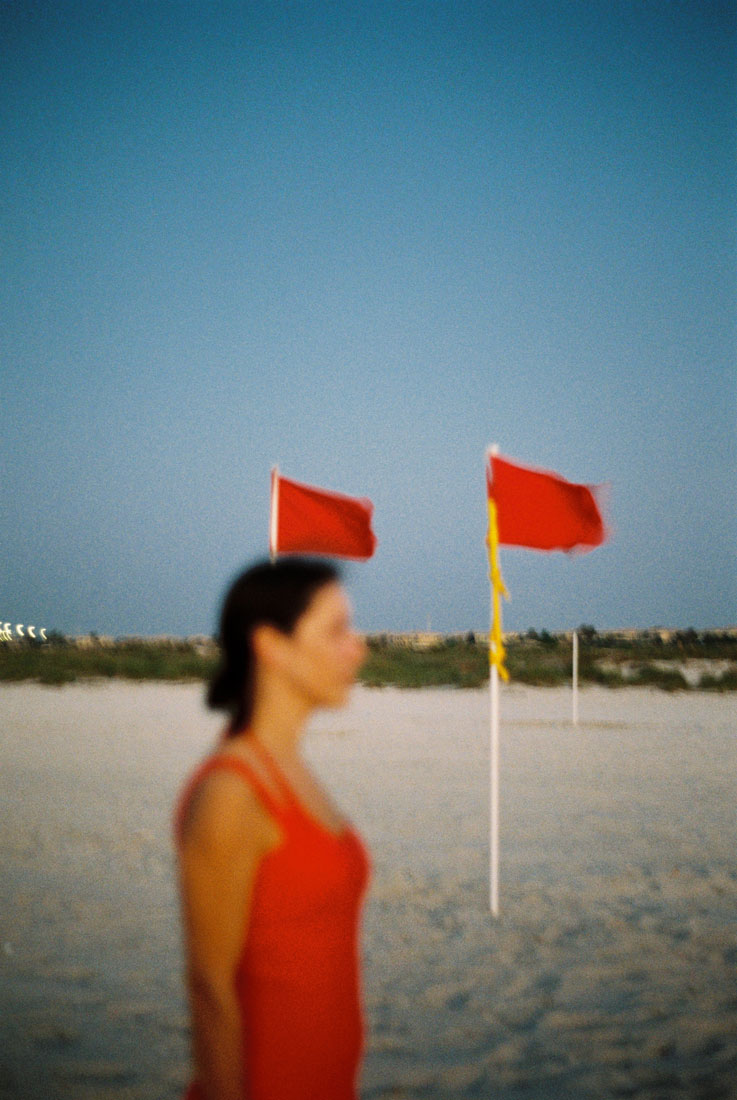
Nevena Lukić is an architect devoted to landscapes, both in her daily work and her photography. Born in Belgrade and based in London, she captures fleeting moments with her family, evoking the textures of her own early years. Shaped by constant movement, her sense of uprootedness is embodied through blurred impressions and transient topographies. Nevena’s use of analogue film reflects a commitment to patience and imperfection, mirroring a childlike impulse to engage: unassuming and sincere. In this process, the camera becomes a gentle tool for remembering geographies of uncertainty.
Your background in landscape architecture and photography come together in the way you observe places. How has studying and working with space changed the way you frame, photograph, and understand a landscape?
“I told the students that they were at the age when they might begin to choose places that would sustain them the rest of their lives, that places were more reliable than human beings, and often much longer-lasting, and I asked them where they felt at home.”
Rebecca Solnit, The Faraway Nearby
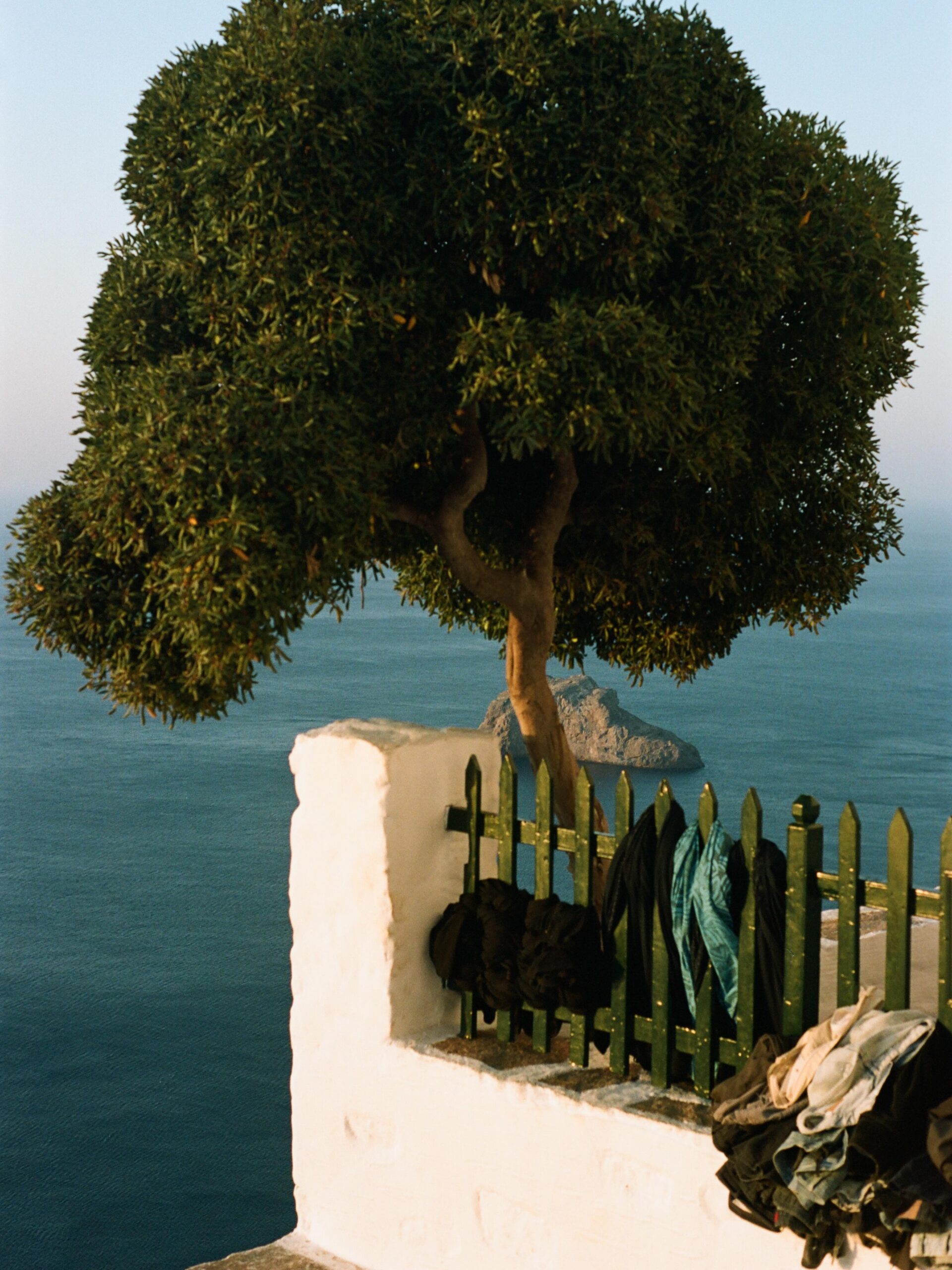
Shortly after graduating, I moved away for work. As one project came to an end and another began, I kept moving and travelling. Photography came into my life quite spontaneously, shaped by these frequent changes, by a sense of searching and not quite belonging, and by the landscapes that were constantly changing around me. It was also shaped by the question of where home might be.
Some of my earliest memories are connected to nature. I remember escaping from home with my brother, running out into an open field that wasn’t nearly as far away as it seemed to us at the time. I discovered landscape architecture later on. It certainly had a profound influence on me, but one thing had been clear from the very beginning: outdoors was where I felt at home.
You are drawn to fleeting moments and subtle changes within everyday environments. What makes you stop and take a photograph when nothing particularly “dramatic” is happening?
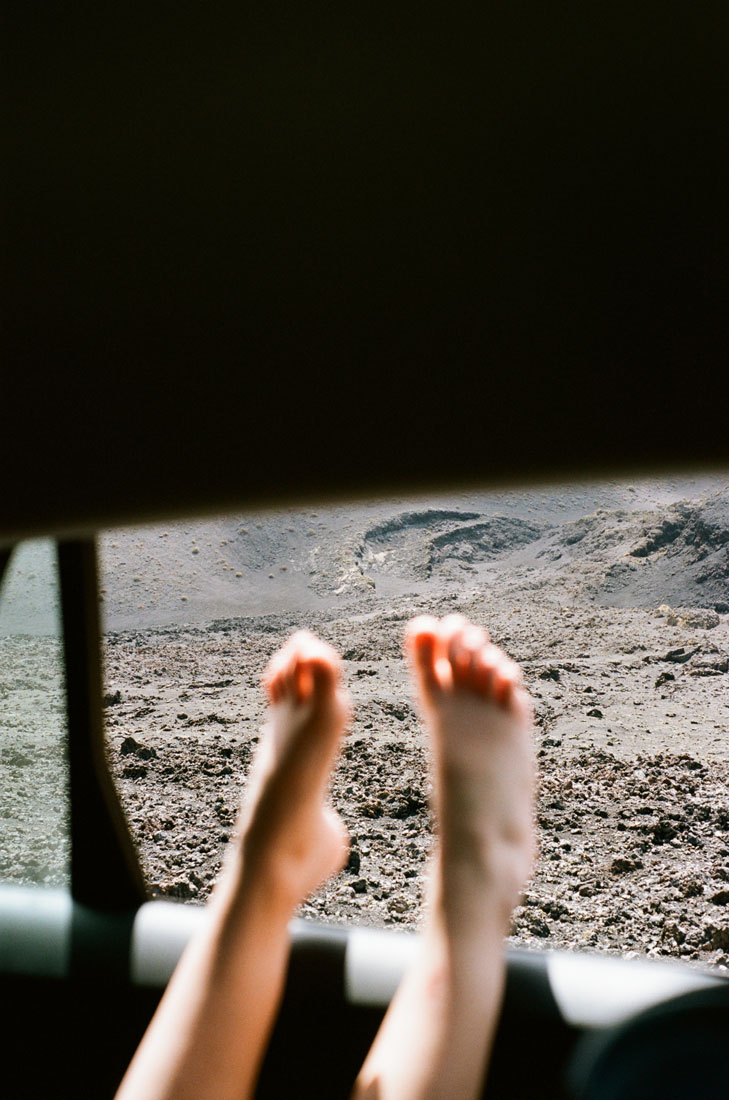
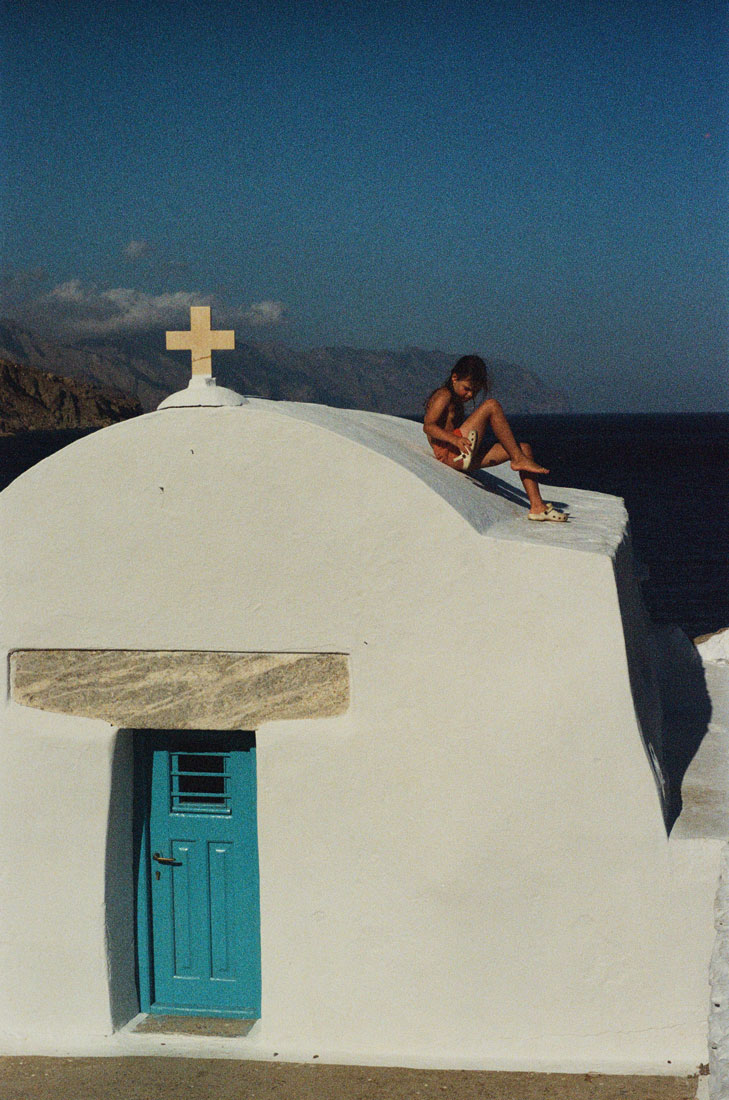
I’m interested in how things work, what connects them, what fits together and what cannot exist alongside something else. I think I’m guided by an instinct for how things really are, for the relationships and contradictions that exist around us and within ourselves.
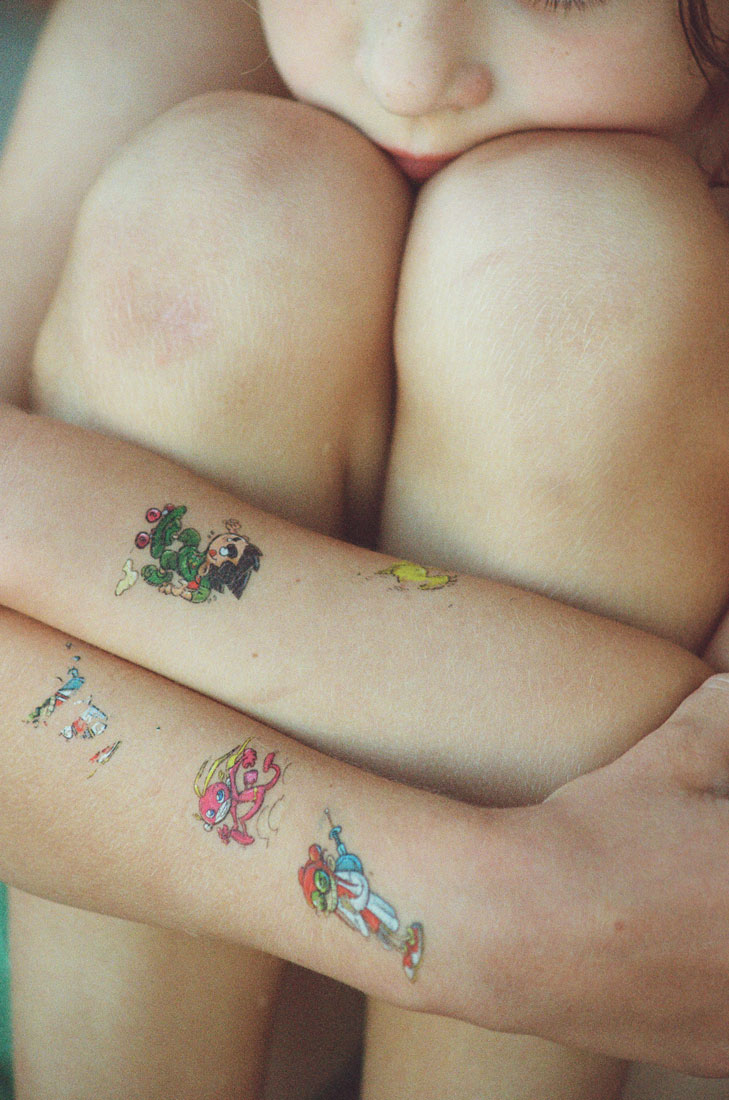
When photographing people, for example, I’m interested in where someone was standing, the position they took, what their body was saying. Whether they were holding on to someone or something, and how. How they fit into the landscape and what kind of relationship they establish with it. Through these connections, I try to see something beyond what’s immediately in front of me, to understand the character of the person before my lens, but also that of the landscape itself.
You often describe photography as a way of reconnecting with the curiosity and wonder of childhood. How does this playful way of looking influence the decisions you make when you photograph?
I’m quite shy. Having a camera with me often puts me in situations with people I wouldn’t otherwise find myself in, and takes me to places I might not have the courage to go on my own. It’s in letting go and allowing myself to be carried along that I find those moments of wonder.
Through photography, I feel as though I’m looking at the world with the kind of attention we had as children, when everything was new, close-up and worth discovering.
Your images seem to exist somewhere between documenting a place and remembering it. Are you more interested in what a place actually looks like, or in the feeling that remains after you have left it?
I’m interested in all of it, but perhaps most of all in the feeling I have when I first arrive somewhere and begin to find my way into that place. I’m interested in what I recognise as my own within it, what I bring to it, and what is still waiting to be discovered.
I love those places and situations where the line between memory and reality becomes porous.
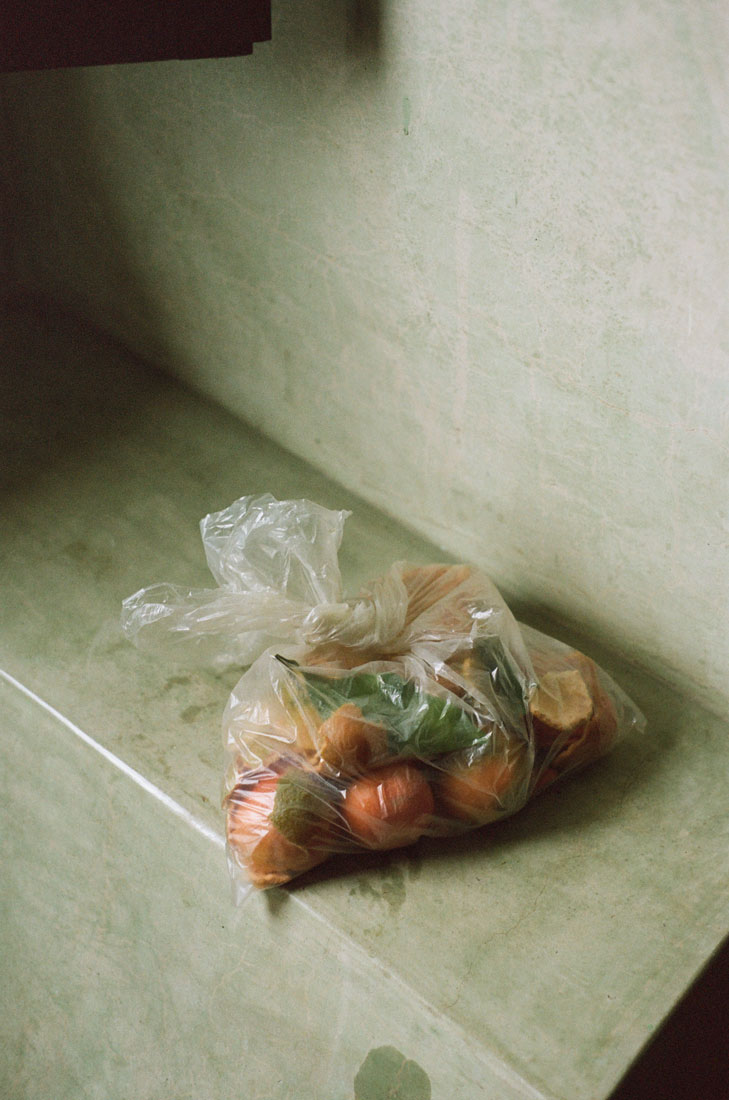
A path that could be the one I used to take to school. A crumpled tablecloth after lunch, with sunlight falling across it.
Your photographs often contain people without making them the central subject. What role do human presence, traces, and small gestures play in the way you build a sense of place?
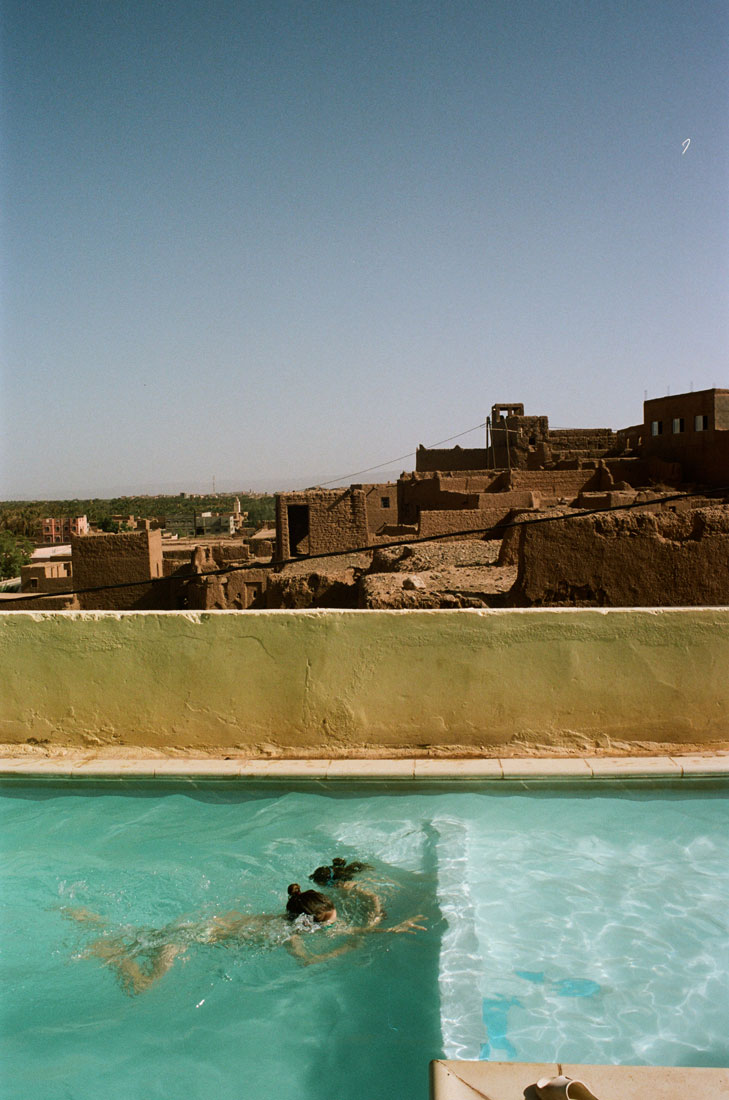
Honestly, it’s not something I consciously set out to do. It often comes down to how much a particular landscape allows for human presence and for something to unfold. How much these elements work together, and how much they work against one another.
I think I’m drawn precisely to those places where a relationship between people and the landscape emerges, where what is external reflects what is internal. These inner landscapes are perhaps what interest me most.
There is a particular delicacy in your use of analogue film, especially in the way light, colour, and imperfection contribute to the atmosphere of an image. What do you look for in a frame that makes you choose to photograph it on film?
I like working with a material that is organic and fragile, whose results are not always predictable and take time to emerge. There is something honest about that, and it resonates with my understanding of reality, where things are often unclear and far from perfect.
Moving from Belgrade to London has placed you in very different urban and cultural landscapes. Has living between these two environments changed what you notice, or the way you emotionally connect to the places you photograph?
London is not my first move. Through frequent moves and travels, I’ve come to question what matters to me, what I leave behind, what I take with me, and what will last. How do you carry your life from one place to another, and is that even possible?
All I could really do was surrender to the everyday, to what is fleeting and unrepeatable.
For photographers developing their own visual language, it can be tempting to search for a recognisable style. Your work instead feels rooted in a personal way of experiencing the world. How did you learn to trust your own way of seeing rather than trying to make your images fit an expectation?
I think it all comes down to honesty. That’s where originality lies. The only question is how capable we are of being honest.
For me, success means remaining spontaneous and simple, expressing what I’ve experienced, what I’ve felt, and what I’ve seen, in my own way, even if it doesn’t fit into expected forms.