Interviews

Sergio Paqué
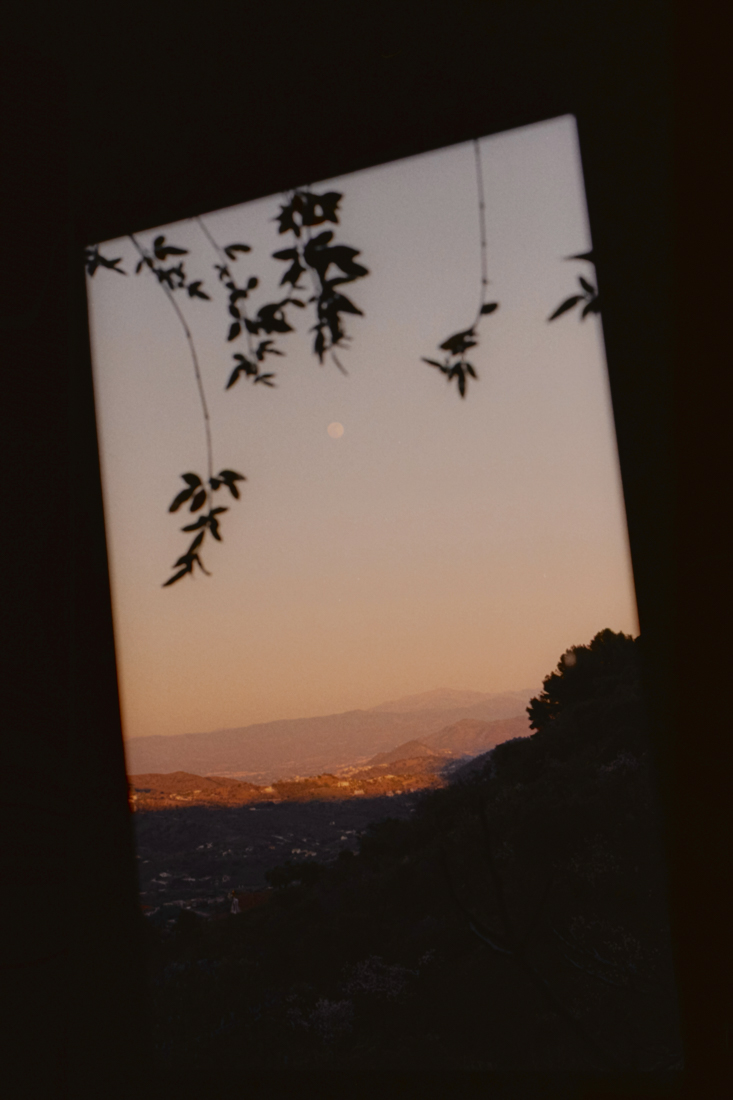
Sergio Paqué is a graphic designer and photographer based in Málaga, Spain, specializing in visual identity, editorial design, corporate, and documentary photography. With a strong foundation in branding, Sergio brings a refined sense of narrative and visual coherence to his photographic work—blurring the lines between design and image-making.
His approach is deeply rooted in the belief that photography and design are interconnected tools for storytelling, each enhancing the other. Through thoughtful composition and an intuitive use of typography and structure, Sergio crafts visual stories that reflect both brand clarity and artistic expression. His Andalusian roots and connection to local culture often influence the tone and atmosphere of his projects, adding a subtle but unmistakable layer of authenticity.
Whether working on client commissions or personal explorations, Sergio maintains a consistent aesthetic built on intentionality, research, and emotional resonance.

What led you to merge graphic design and photography in your work, and how has your background in visual identity shaped your photographic approach?
I believe photography and design both play an identical role in visual storytelling. One doesn’t work without the other, and they can’t be understood separately. I’d say the line between the two is finer than it seems, they often blend together.
From a professional perspective, I learned about narrative and visual coherence through identity design. But I soon realized that everything I was working on as a graphic designer also helped shape the direction of my photographic narrative.
How do you approach composition and typography when creating images that communicate harmony between brand identity and visual storytelling?
They’re all part of the same language. Even if the medium is different, typography, for example, must accompany and express a message that aligns with the rest of the visual elements.
Show the world what you want to do, and the projects you’ll be paid for will start to look like that. If you bring your personal style into your professional work, there will always be someone who wants to see the world the way you do.

Could you describe your typical creative process when working on corporate or editorial photography, and how it differs from your personal or documentary projects?
When I take on a professional project, there’s always research, reference review, and shoot preparation. This is part of the art direction process, which I consider essential when creating projects with a strong narrative. It’s practically the same as working on a branding or graphic design assignment.
Depending on the project’s goals and specific characteristics, it might involve a shot list that’s been carefully planned in advance, or it may allow for some improvisation (usually it’s a mix of both). I never approach a shoot without first visualizing the final result.
With personal projects, everything is more diffuse and has a more romantic tone—there’s less pressure. The timeline is longer, but in essence, the process isn’t so different from client work.
How has living and working in Málaga influenced your visual language and the way you integrate local culture into your projects?
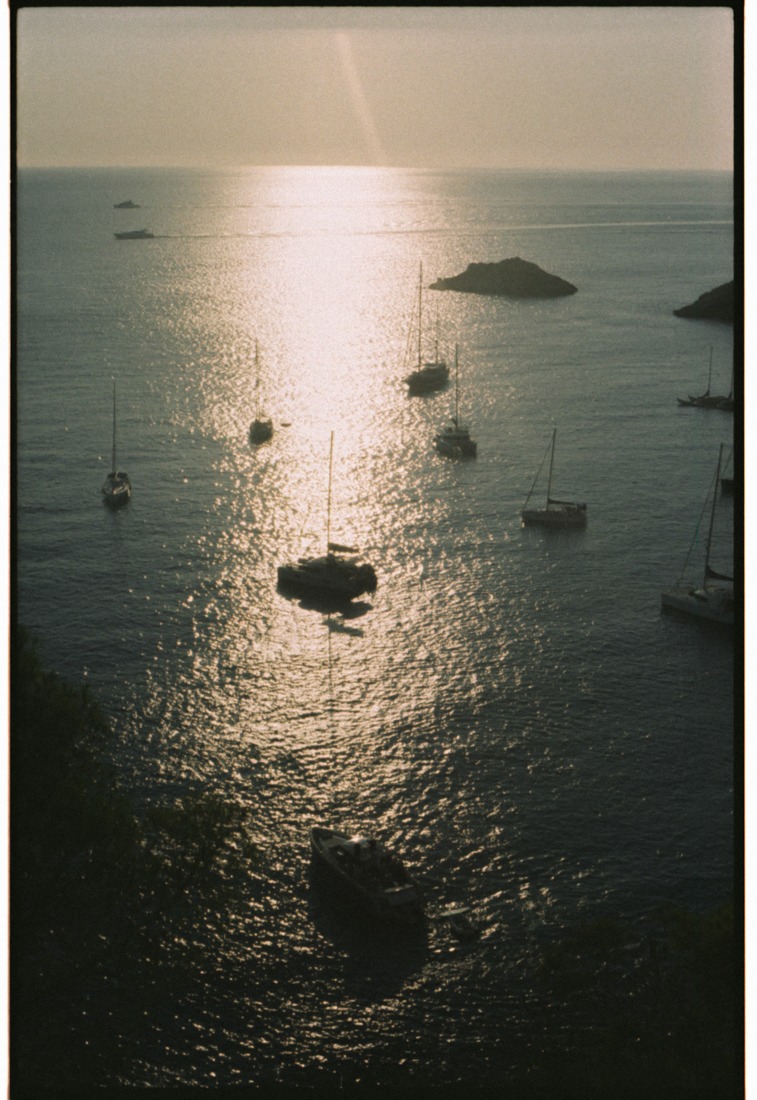
I think it’s essential for all photographers—and artists in general—to have a touch of local color in their work, to reflect what surrounds them. In my case, I’m Andalusian, and I embrace that perspective in my projects to varying degrees.
I often look for artists who show me their world—who teach me about things that don’t exist in mine or are simply different.
Globalization shouldn’t mean a unification of perspectives, but rather an opportunity to experience the richness and variety that different viewpoints bring to photography.


What challenges and opportunities arise from balancing freelance and in-house work across different media like identity, editorial, and visual storytelling?
I’ve been fully freelance for a while now, but it’s true that having an in-house job gives you a different kind of stability and freedom as a freelancer.
Since becoming fully independent, the mental and creative workload on my projects has grown significantly, and the line between personal and professional work has become increasingly blurred. There’s more creative pressure—and more financial pressure too.
That said, the journey is incredibly exciting. Knowing that you can pursue beautiful and challenging projects on your own terms is a dream.
Your website showcases both image and design work — is there a project where both disciplines notably converge, and how did you navigate that creative fusion?
Some of the most interesting projects have been those where I’ve photographed visual identities and their implementation.
It’s fascinating how my background in design helps me understand what needs to be shown in the photos, and how to make a visual identity shine. I often think, “How would I want this to look in my portfolio if it were my own project?” and the photos come to mind naturally.
I see the fusion between photography and design more as a shared methodology than a fully merged process. It’s always great when different professionals contribute their perspectives to a project. Having separate teams or individuals responsible for the identity and photography often enriches the final outcome.

How do you maintain a cohesive visual aesthetic when switching between client-led assignments and personal documentary photography?
It’s simpler than it seems: show the world what you want to do, and the projects that come your way will reflect that. If you bring your personal style into your professional work, there will always be someone who connects with your vision and wants to see the world the way you do. It might sound idealistic—but it’s worth striving for that alignment.
What new themes or visual directions are you interested in exploring next—perhaps blending more editorial narrative or immersive brand storytelling?
Lately, I’ve been drawn to everyday objects—their shapes, materials, uses, and meaning. I’m not exactly sure what form this exploration will take, but I’d like to go deeper into this kind of visual discourse.