
Interviews

Sofie Sund
Sofie Sund is a Norwegian photographer renowned for her vibrant and minimalist imagery. Her artistic journey began in 2008 when she first experimented with her father’s DSLR camera, igniting a passion for photography. In 2018, Sofie graduated from the Norwegian School of Photography, further honing her skills and artistic vision. Her work often features a harmonious blend of colors, natural elements, and shadows, creating serene and evocative compositions.
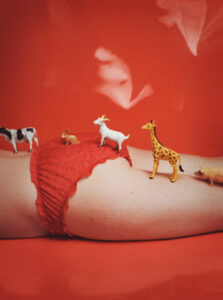
Who is Sofie Sund?
My name is Sofie Sund, and I’m a photographer from Norway. I graduated from the Norwegian School of Photography in 2018, but my love for photography began much earlier, back in 2008. That was the year my dad let me try his DSLR camera for the first time, and I was instantly captivated. From that moment, a whole new world opened for me. Photography became my way of expressing myself when words felt difficult. Creativity has always been a big part of who I am, and using my camera to create images that express something meaningful has felt so natural ever since I picked up a camera.
You’ve mentioned that photography for you is about expressing feelings and bringing abstract ideas to life. Could you elaborate on what you mean by this and how it shapes the way you approach your work?
It’s like having a visual language to communicate things that are hard to put into words. I’m not just capturing what’s in front of me, I’m trying to convey a mood, a thought, or a memory. It pushes me to look beyond the surface and focus on details, light, and composition to create images that feel meaningful and evoke emotion. To me it is about sharing how I see and feel the world.
I want people look at my photographs with wonder and curiosity and create their own little stories when seeing each of them.


A large part of your work is based on memories, particularly your childhood ones. How do you combine personal experiences with surreal elements in your photography? What is the message you wish to convey through this combination
I’ve always loved the idea of blending memories, especially from my childhood, with surreal elements in my photography. Childhood memories can often feel so vivid yet fleeting, and I think I use surreal elements to help bring those memories to life in a way that feels both familiar and dreamlike. I want to capture the feelings behind those moments, even if the scenes themselves aren’t exactly real. I like to create something that makes people think about their own memories and maybe even see them in a new way. In the end, I hope my work brings out a sense of nostalgia while also showing how beautiful the unexpected can be.
Your photography often captures the textures, shapes, and colors of ordinary objects. Why do you choose to focus on these seemingly small details, and how do they contribute to the larger narrative of your work?
By focusing on these small details, I try to highlight the beauty and meaning hidden in everyday life. These textures, shapes, and in-between moments in everyday life are like little pieces of a puzzle and when you put them together, they show how the things we often forget to notice in many ways fill our days with meaning. In a world that moves so quickly, my work invites viewers to slow down and see the significance in the ordinary. It’s a reminder that even the simplest things can carry depth and emotion, and that’s something I like to share through my photography.
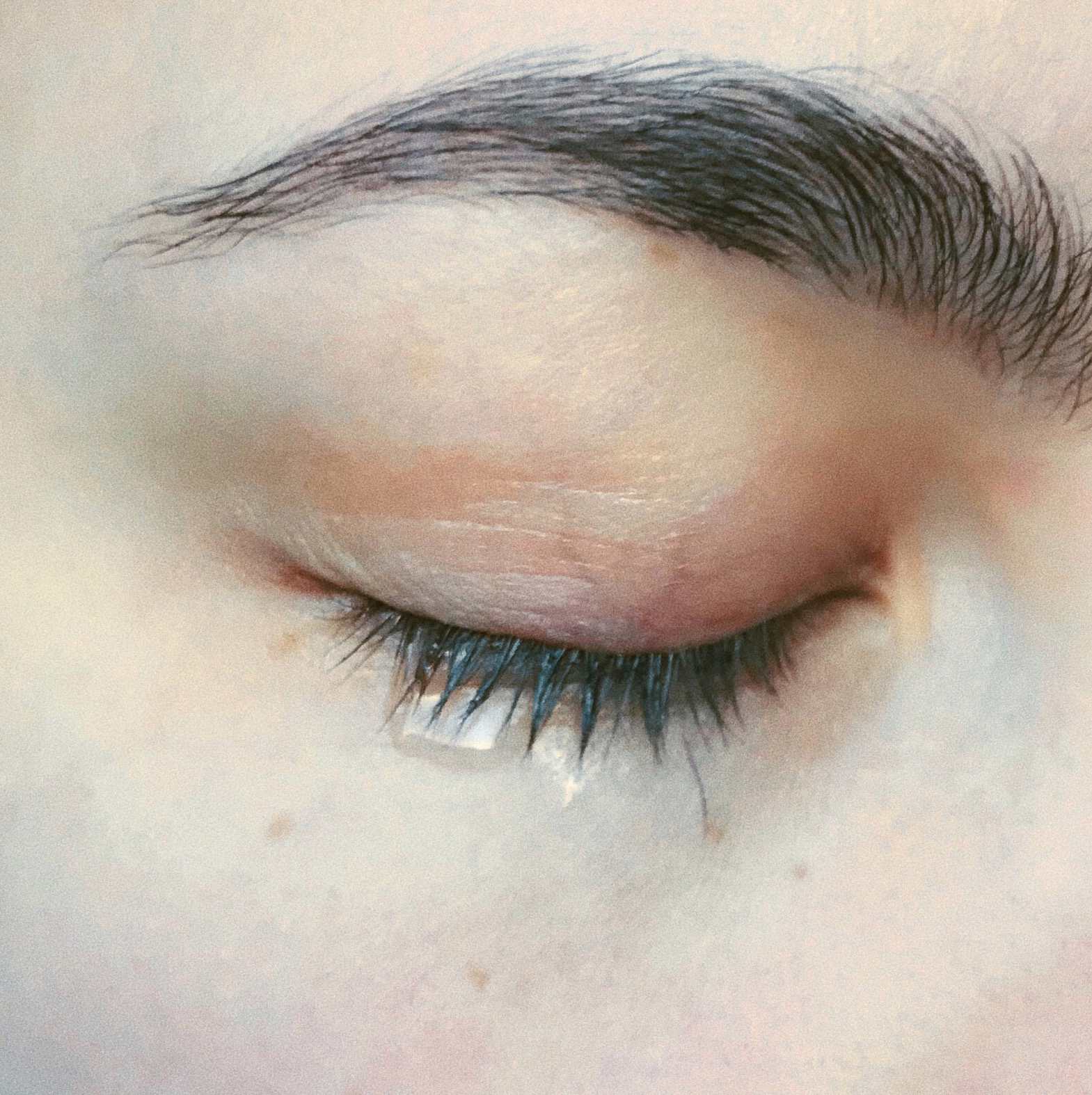

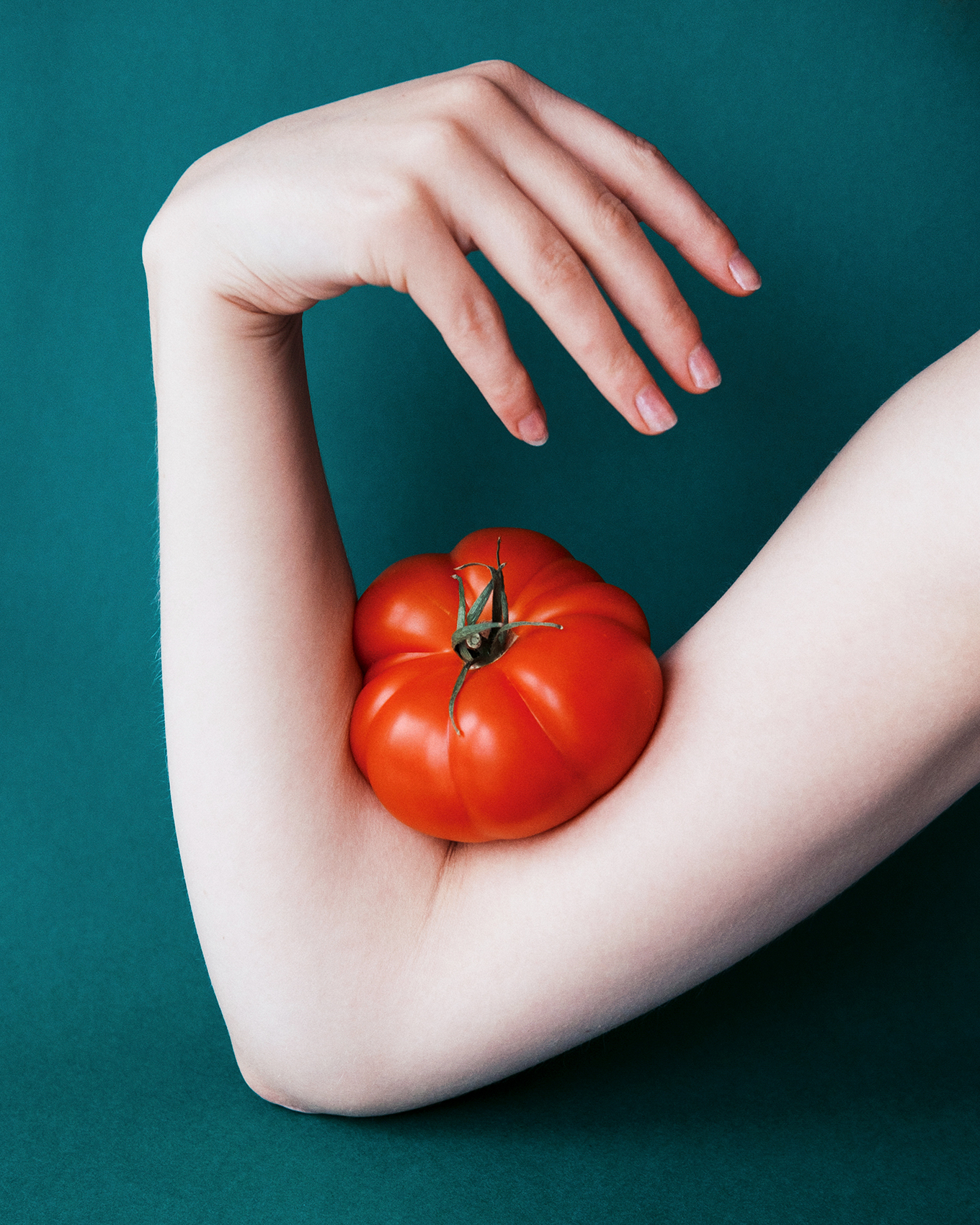
Your work seems to carry a lot of personal significance. How do you ensure that your images remain deeply meaningful to you, even as you share them with a larger audience?
To keep it meaningful, I create for myself first, following my instincts along the way. When I share my photos, I want people to look at them with wonder and curiosity. I usually don’t provide much backstory, because I love the idea of others forming their own stories and interpretations when looking at my photographs. This balance allows my work to stay personal to me while letting it take on new meaning through the eyes of others.
Who are the artists or photographers that have had the most impact on your style and creative vision? How have their works influenced your approach to capturing the world around you?
I’ve had many different inspirations since I first got interested in photography, and they’ve evolved as I’ve grown as a photographer. There are several artists I admire, such as Vivian Maier, Wes Anderson, and Cho Gi-Seok, to name a few. Wes Anderson has especially had an impact on my creative vision and has inspired me for a long time. I never get tired of his work, and I always find new inspiration in it because I love the way he uses colors, symmetry, and storytelling. When I studied photography and was figuring out my personal style, I definitely looked to many artists for inspiration, and it was very helpful. Seeing what others were creating, how they did it, and why, helped me understand what I wanted to pursue and what felt right for me. In the beginning of my journey, I tried out different styles that other artists used as I searched for my own voice as a photographer. I think many others go through this too, it’s all part of finding what truly feels authentic to you. Now, when I look at other artists’ work, it inspires me in a way that makes me want to create something of my own that truly means something for me.

Color plays a major role in your photography. Can you explain how you choose your color palettes and what they represent in the emotional or conceptual framework of your work?
Color is such a big part of my photography, and I often feel like color combinations just come to me naturally. I do know the basics of color and light theory, but I don’t always like to follow ‘the rules.’ For me, colors are deeply personal, they can evoke different emotions for everyone, though some colors do carry universal meanings. I use color to bring out the mood in a photo, letting it shape the feeling or idea behind the image. I have always felt so drawn to colors, and they kind of help me express parts of myself that words just can’t.
Could you share some insights into your technical approach? Do you prefer to work with specific types of cameras or lenses, or is it more about the creative concept behind the shot?
I love experimenting with different types of cameras, whether it’s a Polaroid camera, an old digital camera from the early 2000s, a phone, or a more professional setup. For me, the creative concept is always the most important aspect. I believe a good photograph isn’t just about the equipment, it’s about the feeling and story behind it. No matter what camera I use, my focus is on capturing something I think is visually compelling and meaningful. .
You’ve studied at the Norwegian School of Photography. How has your formal education shaped the way you view photography as both a craft and an art form? Do you believe photography can be more than just documenting the world, but can serve as a form of self-expression or storytelling?
I believe photography is a powerful form of self-expression. While it is, of course, an important tool for documenting the world, I’ve always been drawn to its ability to convey emotions, memories, and serve as a form of storytelling. Studying at the Norwegian School of Photography helped me shape my vision and explore photography as more than just a craft. I got to experiment with different genres, which allowed me to figure out what I enjoy most and what fits me as an artist. While I learned a lot about how photography can be used to document and tell stories in various ways, I’ve almost always approached it more as an artistic form of self-expression.


