Interview
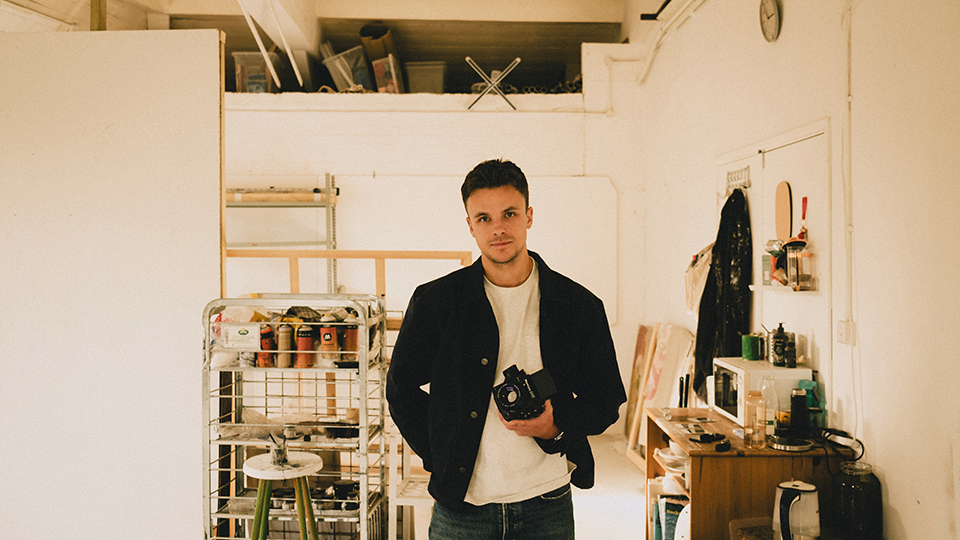
Tom Cornwell
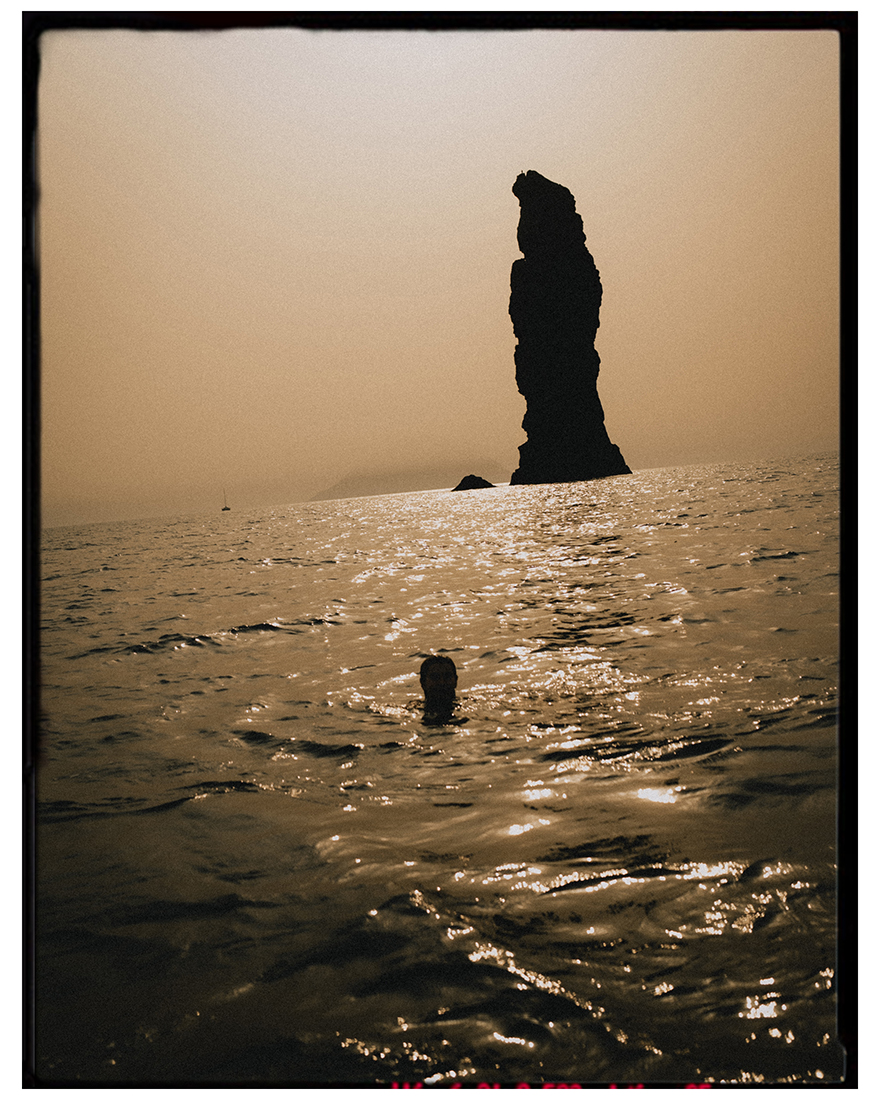
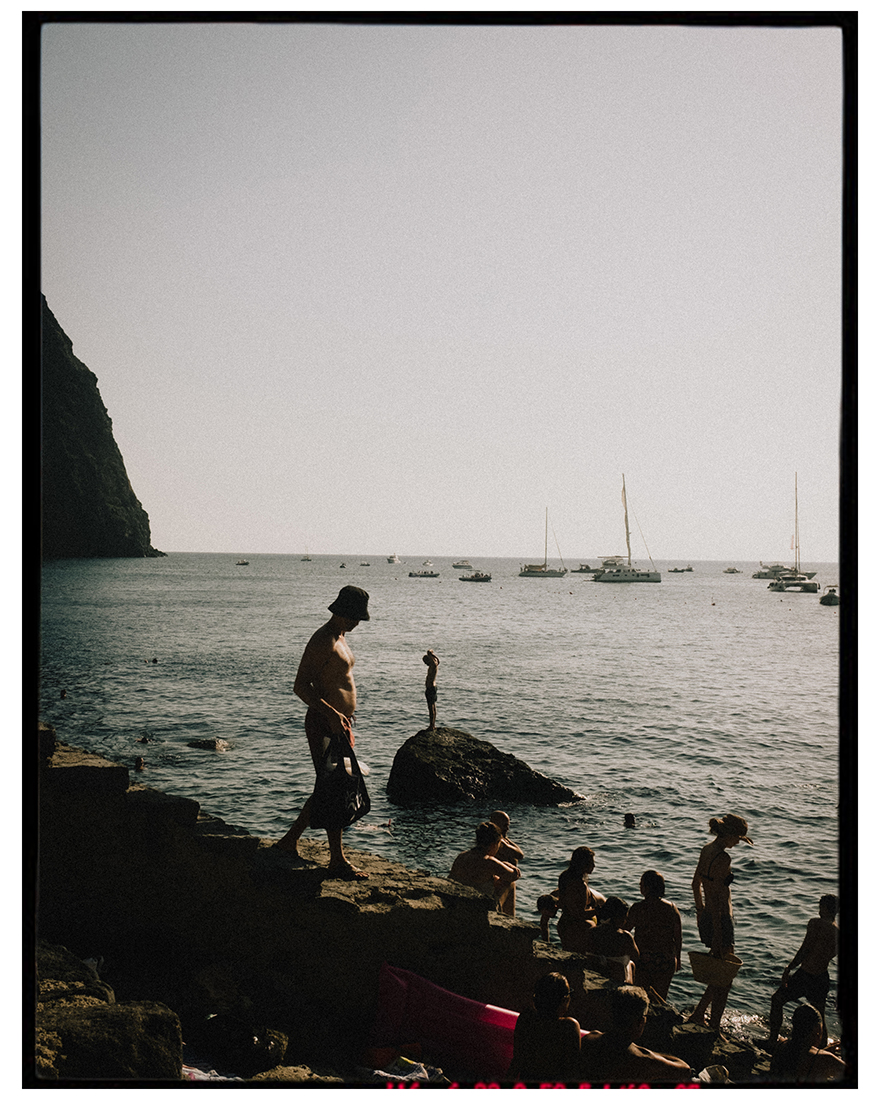
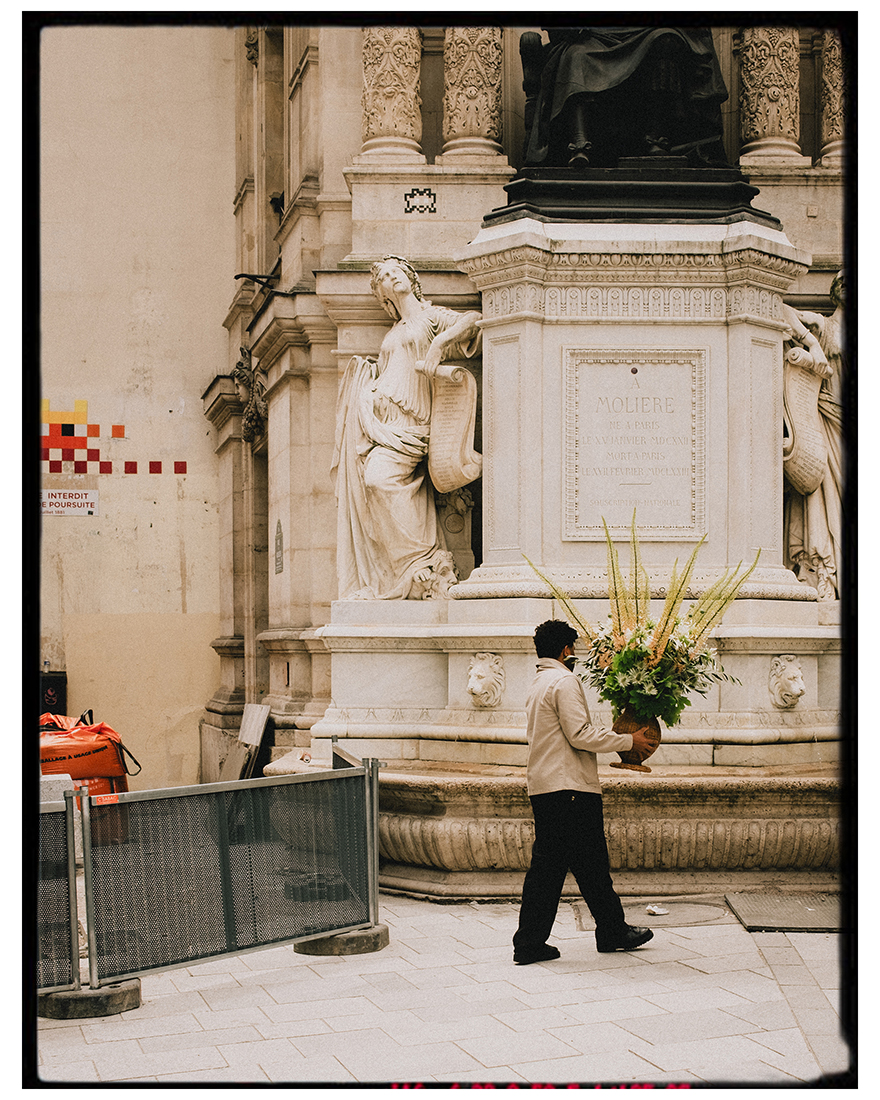
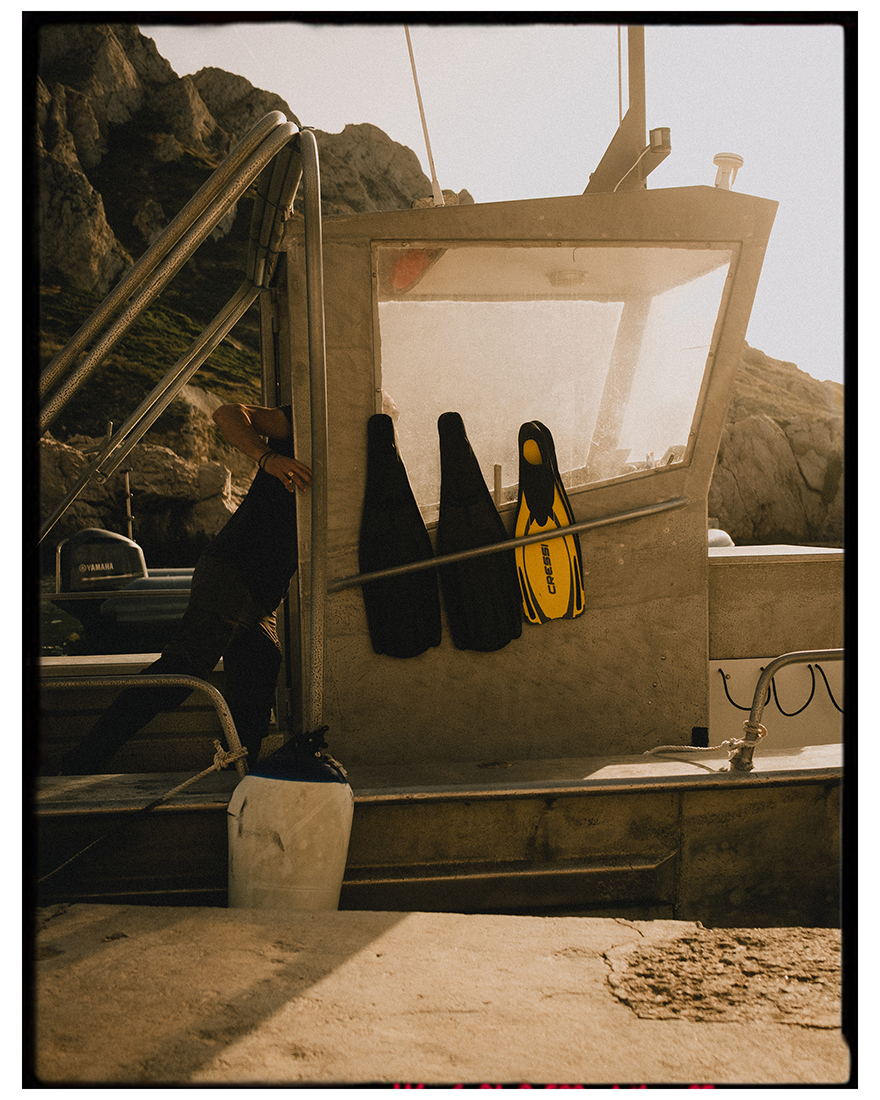
Tom Cornwell is a photographer based in London. His practice focusses on people & place, and the interaction between the two. Working largely on film, he finds his inspiration from artisans, heritage and nature, exploring different cultures and ways of living that retain an analogue sense of spirit. Rooted in the idea of memory & preservation, his work often plays with fleeting motion, sun-washed colour and silhouetted figures.
His work moves between portraiture, landscape, and everyday life, driven by a constant search for authenticity and quiet beauty. For him, photography is a form of self-reflection, a way to make sense of the world, and an invitation for others to truly see it.
Your work often explores the relationship between people and the places they inhabit. What usually comes first for you—a person who draws you in, a particular place, or the relationship you imagine between the two?
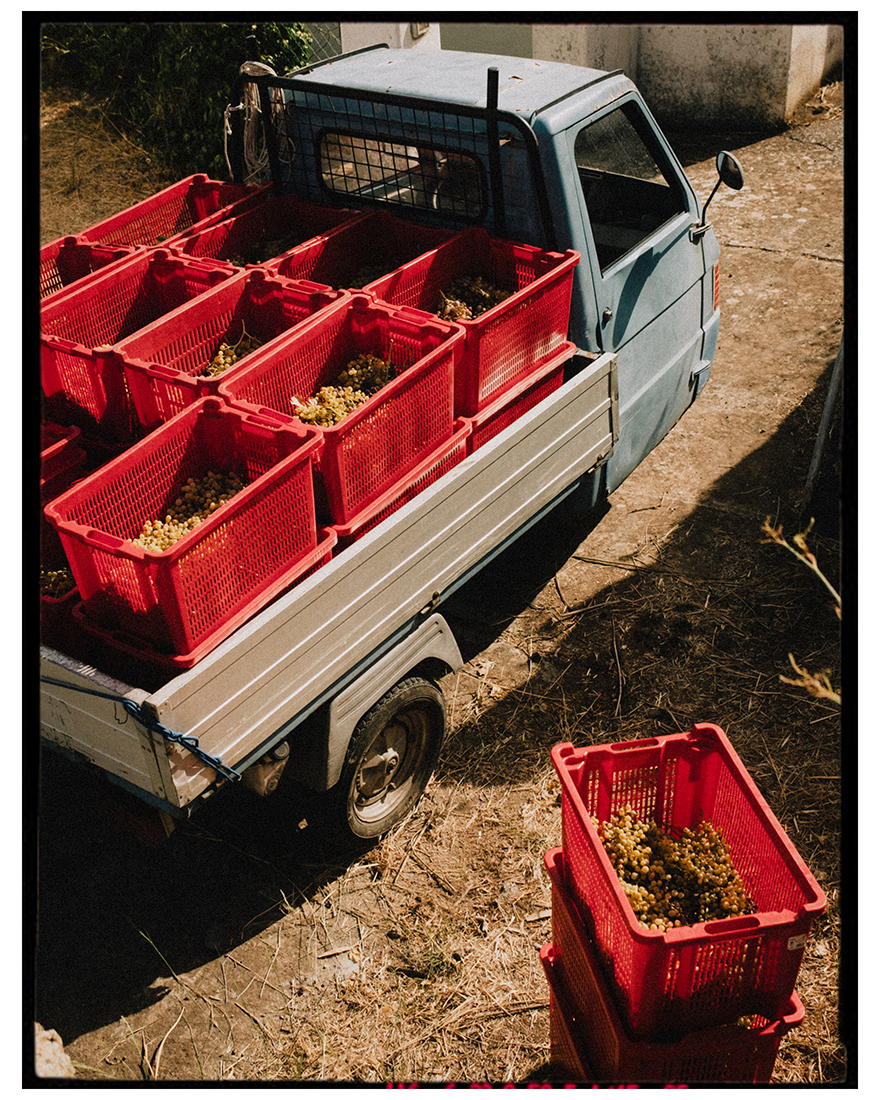
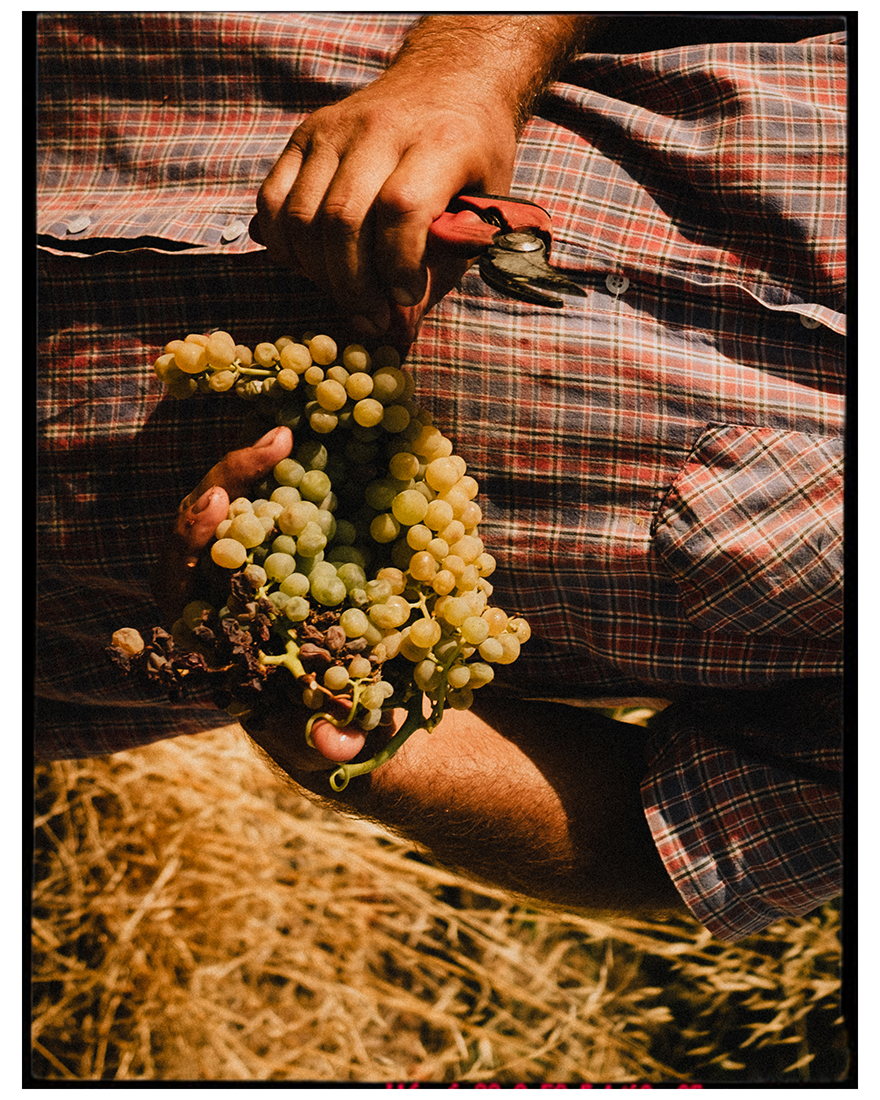
It usually starts with place. I always try to come in very open but we live in this interesting time where we often arrive with such a strong preconceived idea or aesthetic of what a place is going to be. I find it interesting to observe, as an outsider, how people navigate a place they are so familiar with yet have never been to, and you see that in some of my work. Then I shift focus on the people who have a ‘long-term’ relationship with it. It’s almost like sitting at a kitchen counter in a restaurant: you people-watch the other punters around you, who’s on a first date, who’s a regular. And then back in the kitchen there’s a familiarity to it, a humbleness, heads down in their craft, almost disconnected from how people are interacting, yet central to the experience of the place. It’s funny analogy actually because I think a lot of the relationship between people + place has to do with food, which is what inspired the personal project I’m working on at the moment, Harvest.
You work largely with film, and your images often have a strong sense of nostalgia without feeling entirely rooted in the past. What does shooting on film allow you to express that you feel would be different with a digital approach?
It makes me more deliberate, more careful with this limited resource thing. You also noticed that when you hold up a film camera, people react almost as if it’s something from childhood. They associate a nostalgia with it, everyone warms up, they almost put themselves in front of it, they pull a face. When you hold up a big DSLR, people have the opposite reaction. So I think sometimes it’s the output, the colours and so on, but it’s the input too: how i behave with it & people behave around it.
Things are unfolding, and somewhere in between it all there’s a point, often just before the day closes, where the light, people and place line up. It’s rarely the moment itself, I want to live that. It’s just before it’s gone.
Artisans, heritage, and traditional ways of living appear repeatedly in your work. What draws you to these subjects, and what do you think photography can preserve that memory alone cannot
I think there’s a harmony there, an understanding between people and nature that’s present in these ways of living, and we all kind of want to achieve some semblance of that harmony. I think photography can serve as a gentle reminder of it.
There is a strong feeling of movement in your photographs—figures caught in passing, fleeting gestures, light changing across a scene. What makes a moment feel worth photographing to you?
There’s something quite ironic in it – catching the fleeting?
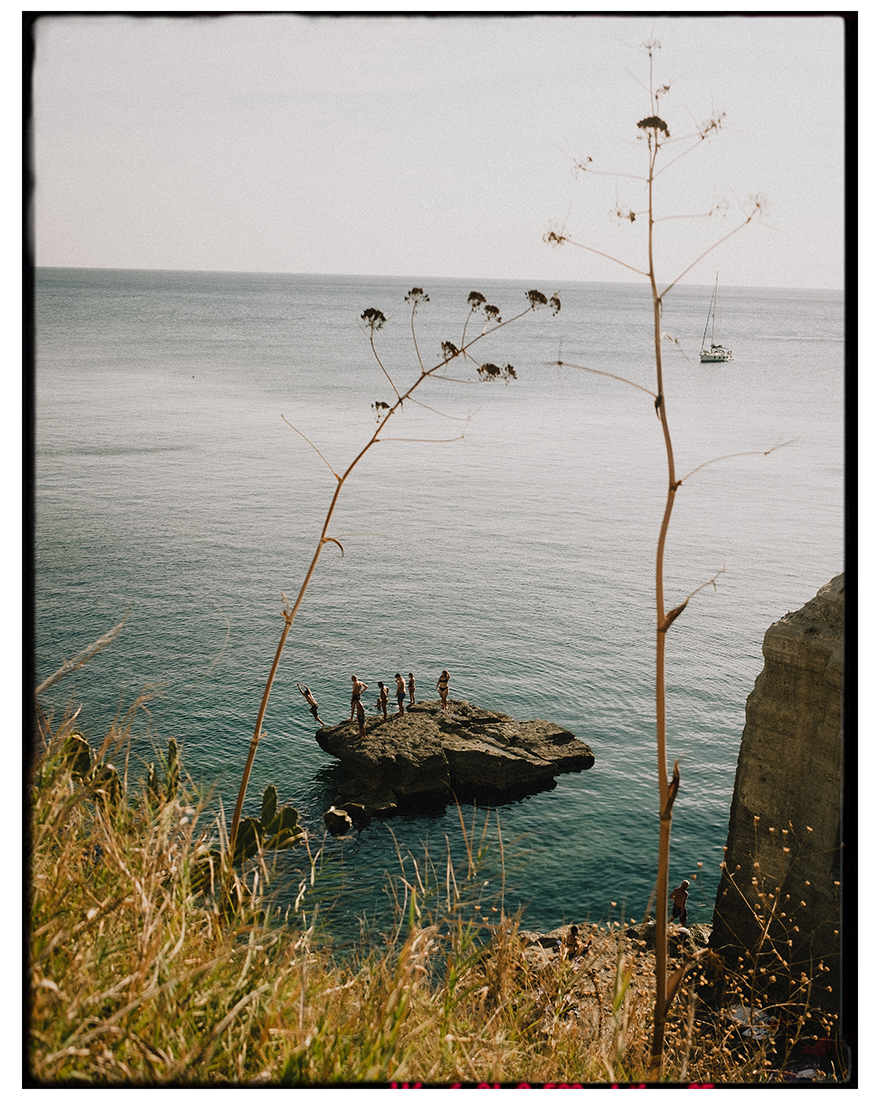
Your images often feel very connected to a specific atmosphere, with sun-washed colours, silhouettes, and natural light playing an important role. How much of that visual language do you plan, and how much comes from simply being attentive to what happens in front of you?
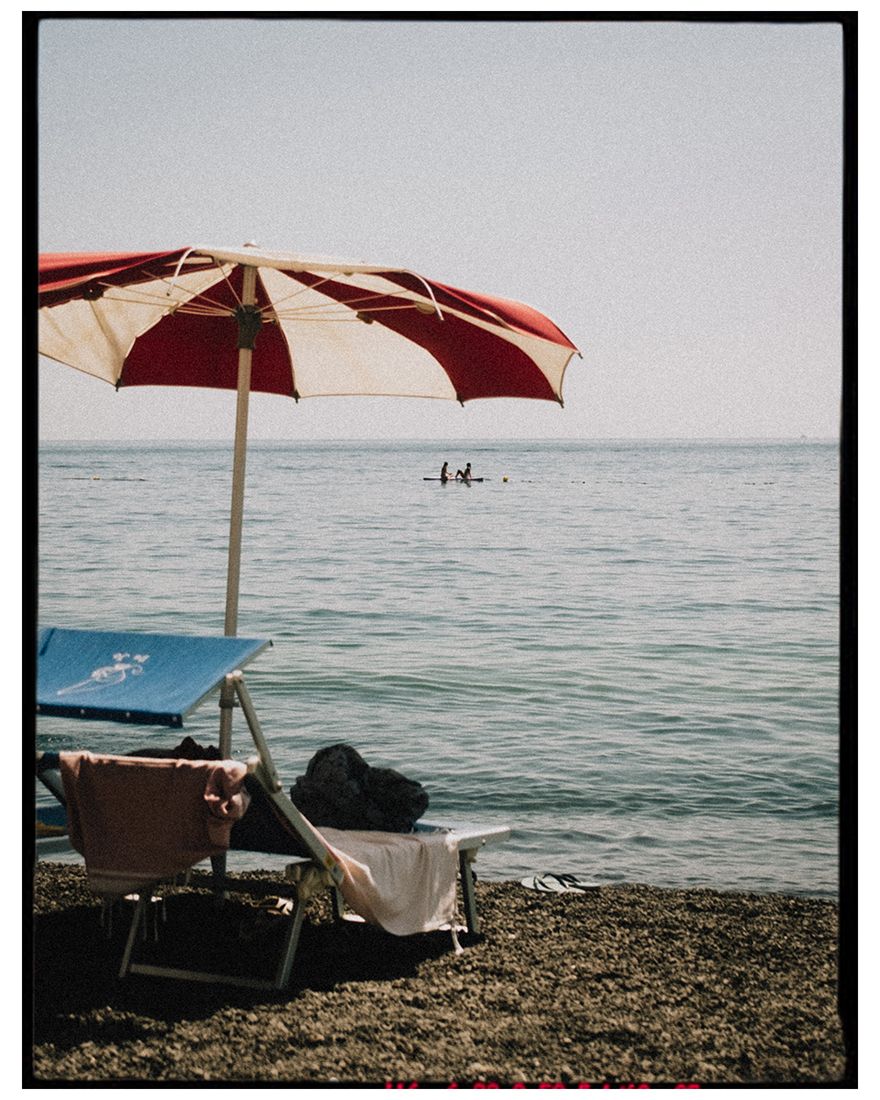
It’s rarely planned! It’s very much a response to how I live and interact with the world. Things are unfolding, and somewhere in between it all there’s a point, often just before the day closes, where the light, people and place line up. It’s rarely the moment itself, I want to live that. It’s just before it’s gone.
When photographing people within unfamiliar cultures or ways of living, how do you approach the balance between documenting what you encounter and bringing your own perspective into the image?
When you travel, you always feel like an outsider right? It’s quite disarming – it’s one of the great things about travel – I try to approach it like that, it’s almost like ordering in a restaurant where you don’t quite speak the language, there’s a gentleness in the interaction.
For photographers trying to develop a personal visual language, it can be difficult to know what to keep pursuing and what to let go of. Looking back at your own work, when did you begin to recognise that your photographs had a distinct visual identity?
A lot of the way I shoot is instinctive; it’s how I interact with the world. There are points where I experiment, and sometimes things stick and sometimes they don’t. I think there’s an element of being open to trends but not letting them change how you show the way you interact with the world. In practical terms, it really clicked for me when I started to pull together series of images. I’d notice the pictures that just weren’t my perspective, so on reflection it became more a process of elimination.
If someone discovering your work wanted to understand what keeps you returning to photography, beyond the individual images themselves, what would you say you are ultimately searching for when you photograph?
It’s almost diaristic. It’s a way to preserve memory, but also a way to unfold the world, and I think I’m growing through it as I go.