Focus on
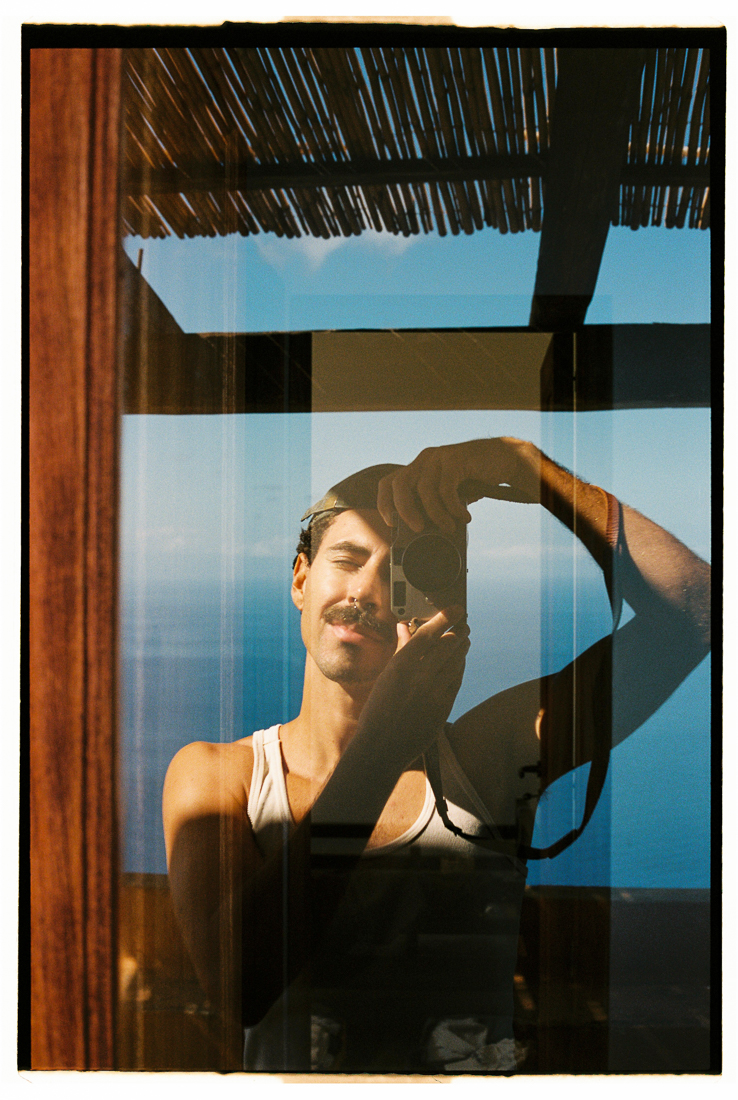
Wam Ornelas
Wam Ornelas is a Brazilian documentary and lifestyle photographer currently based in Italy, whose work revolves around capturing the quiet poetry of everyday life. His visual language is rooted in observation rather than construction, focusing on lived-in environments where atmosphere, light, and human presence naturally converge. Through a restrained and thoughtful approach, he transforms ordinary moments into subtle visual narratives that feel both intimate and timeless.
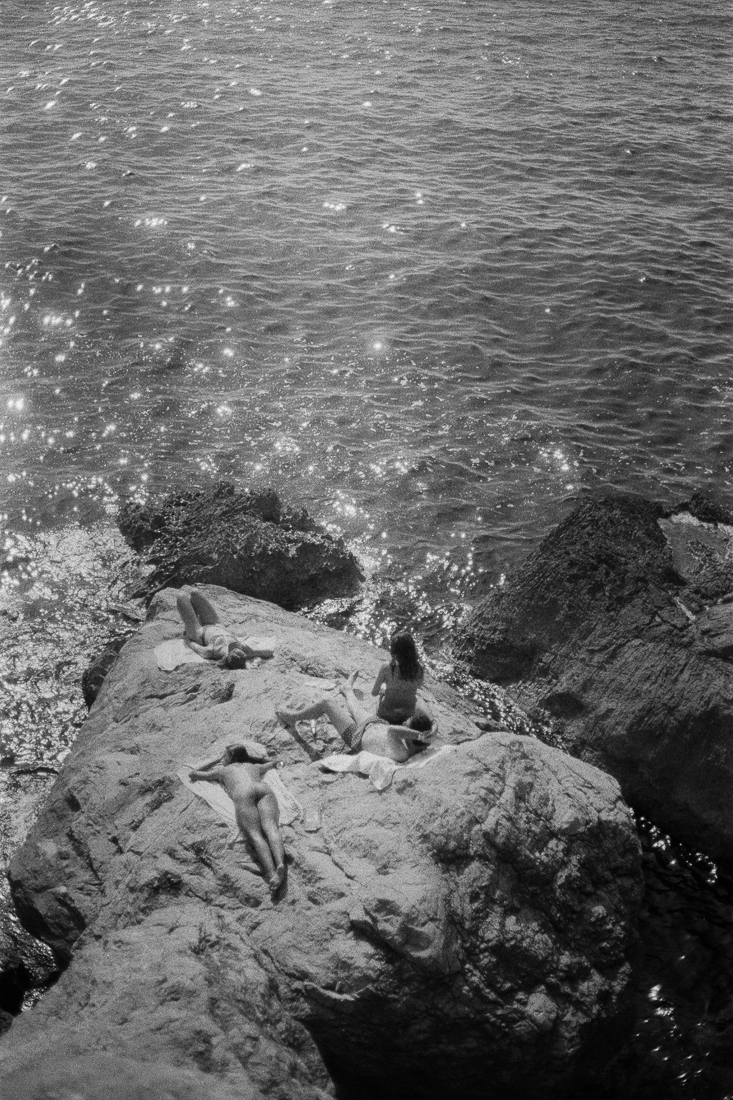
Originally from Brazil, Ornelas developed his relationship with photography through a gradual and intuitive process, beginning with informal experimentation before evolving into a more intentional artistic practice. Over time, his work shifted from spontaneous image-making to a more deliberate exploration of mood, space, and emotional tone. This evolution reflects a broader interest not only in photography as a medium, but also in how images can communicate silence, memory, and presence without relying on overt storytelling.
“Be present. If you’re truly in the moment, you don’t need much else.”
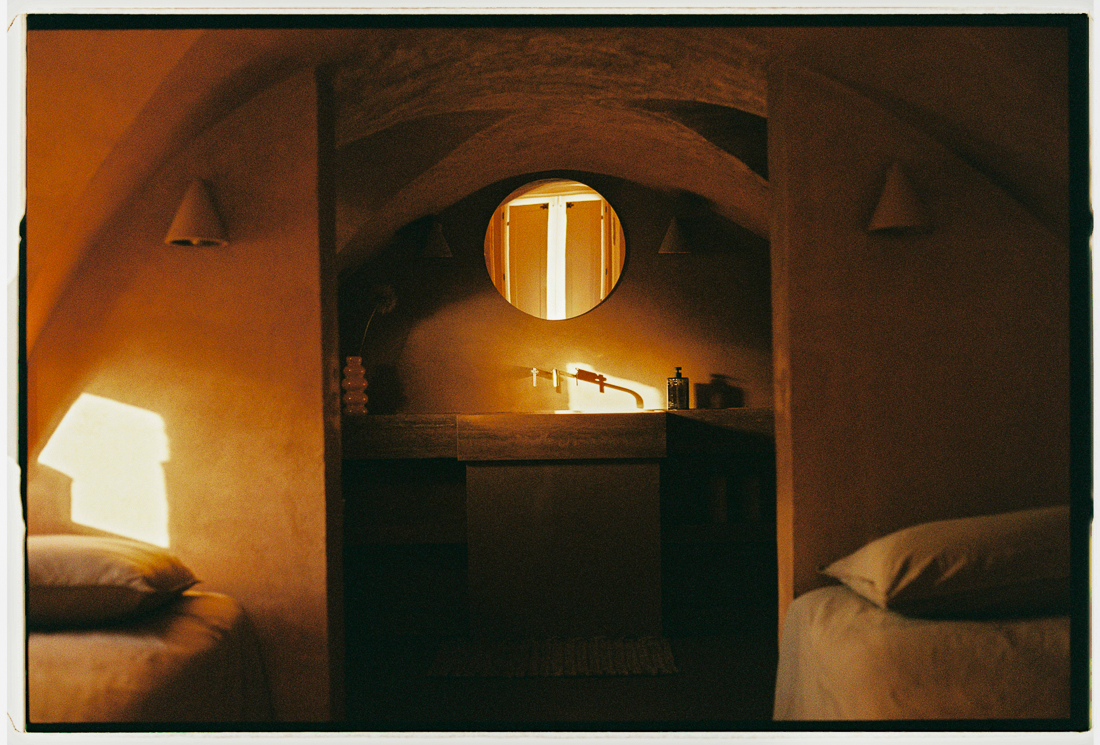
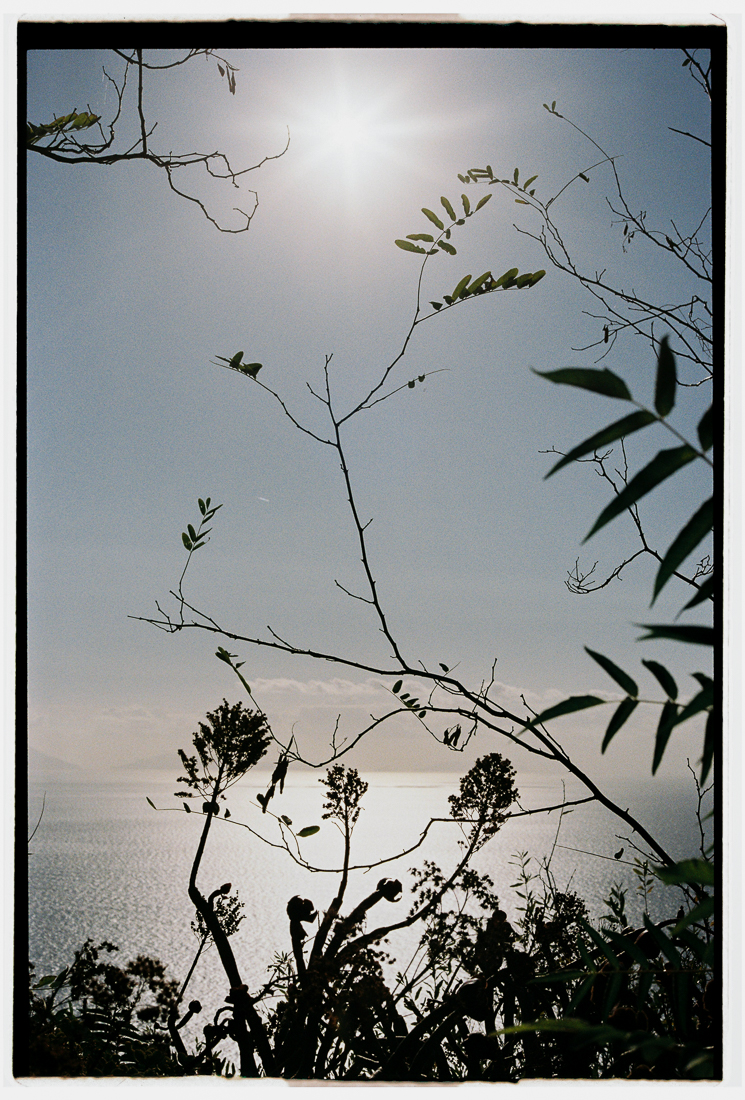
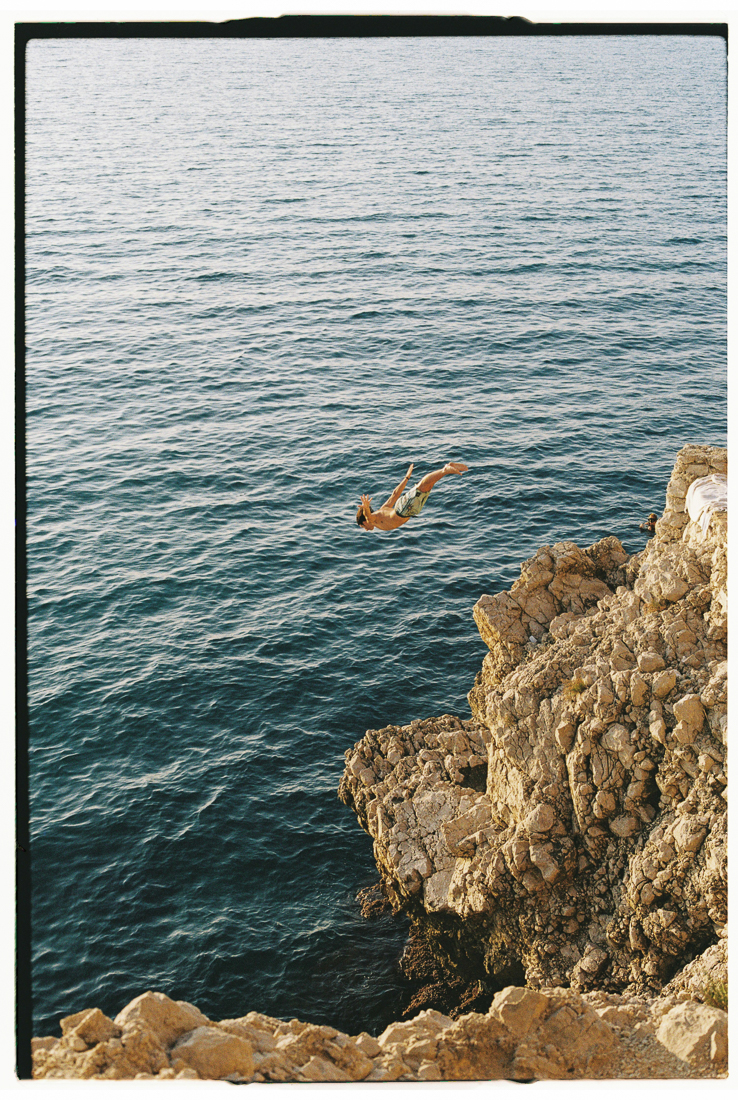
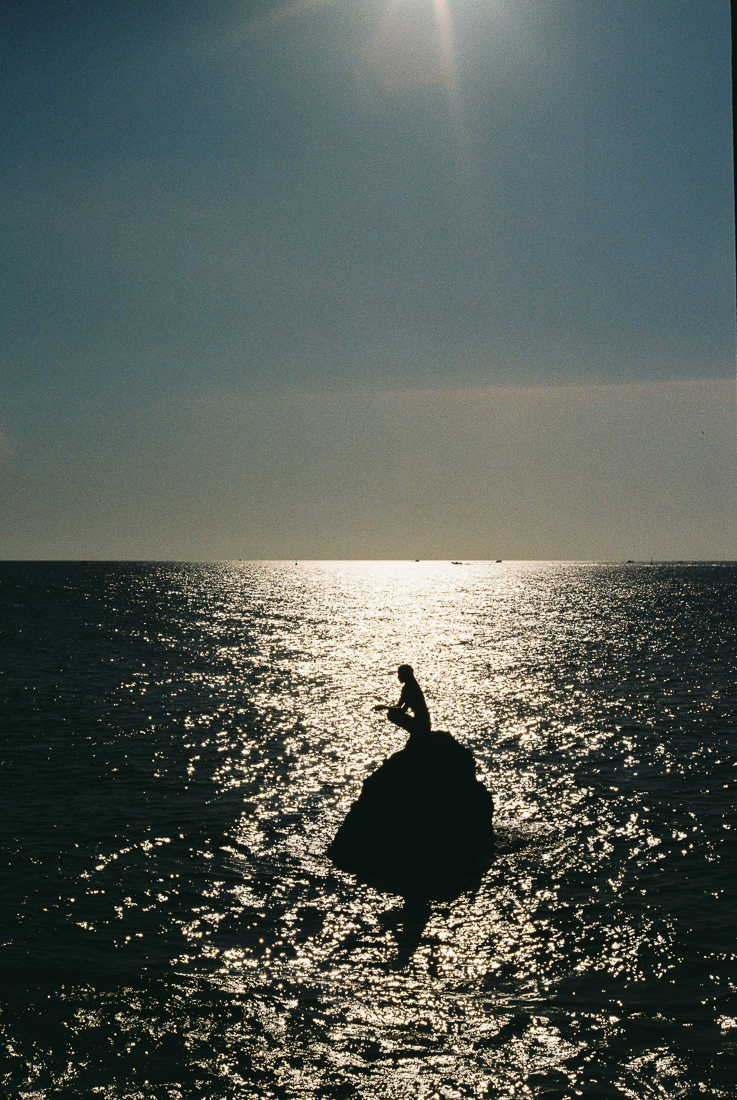
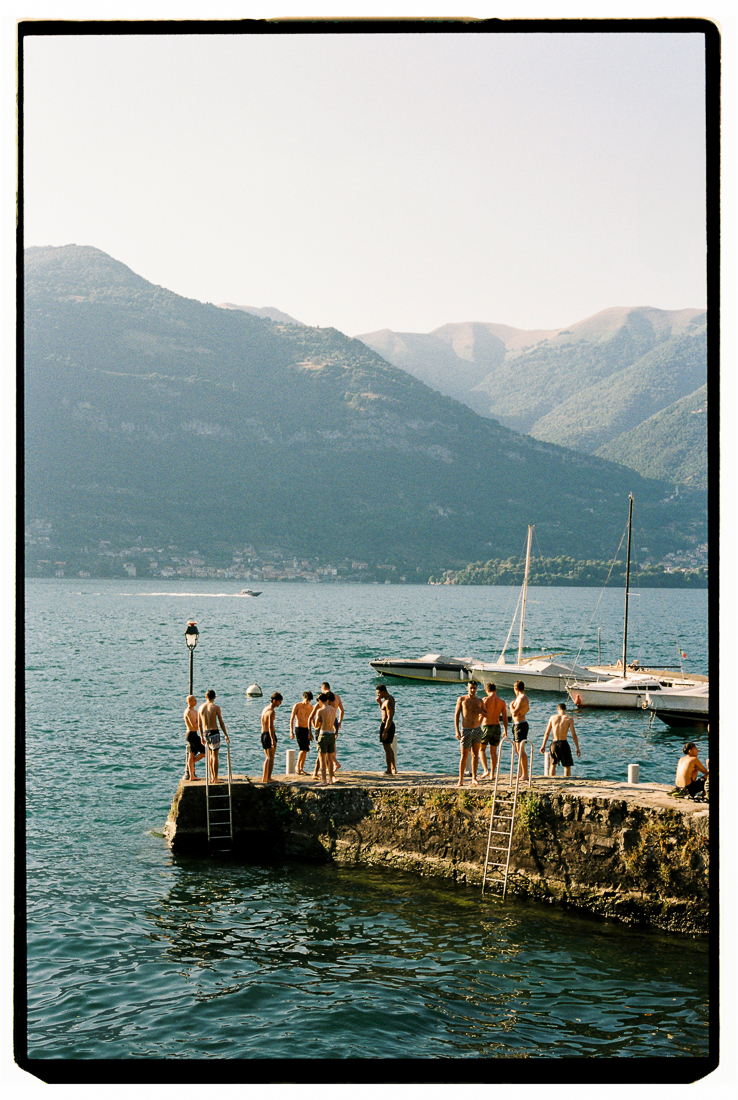
Now working primarily between Brazil and Italy, his imagery is deeply influenced by the Mediterranean environment particularly its soft, sun-drenched light, architectural textures, and unhurried rhythms of daily life. These elements often appear in his photographs as understated yet central characters, shaping the atmosphere of each frame. Rather than seeking dramatic compositions or heightened visual effects, he tends to gravitate toward simplicity, allowing natural light and composition to define the emotional weight of an image.
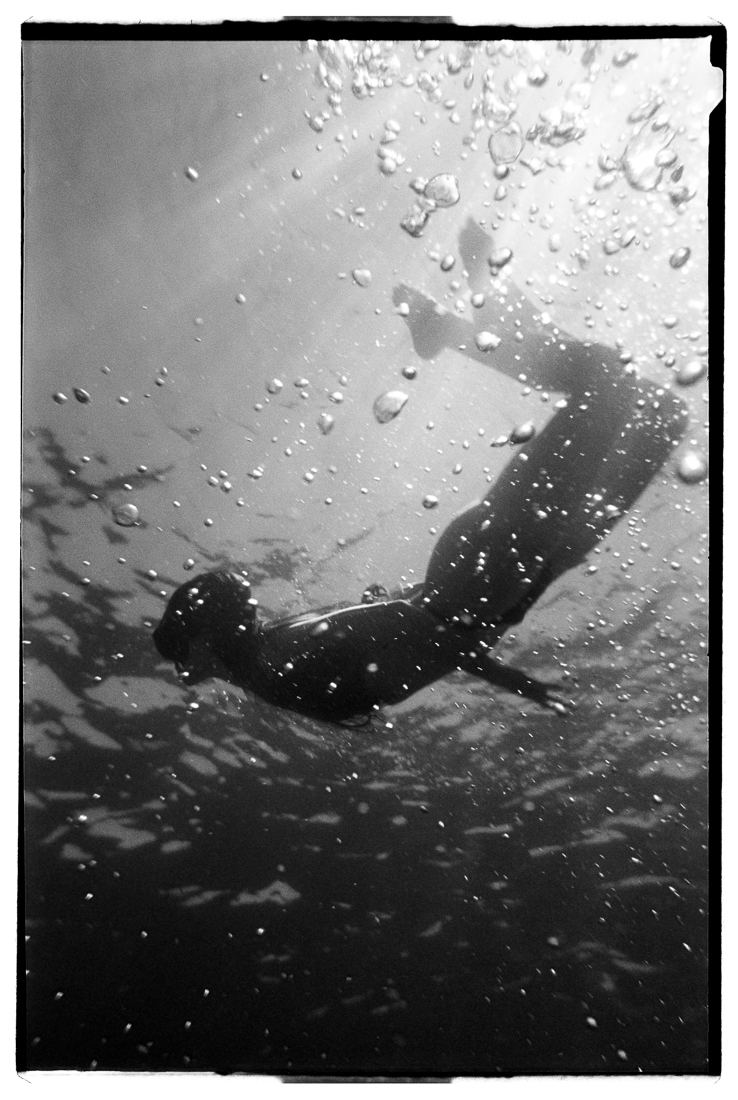
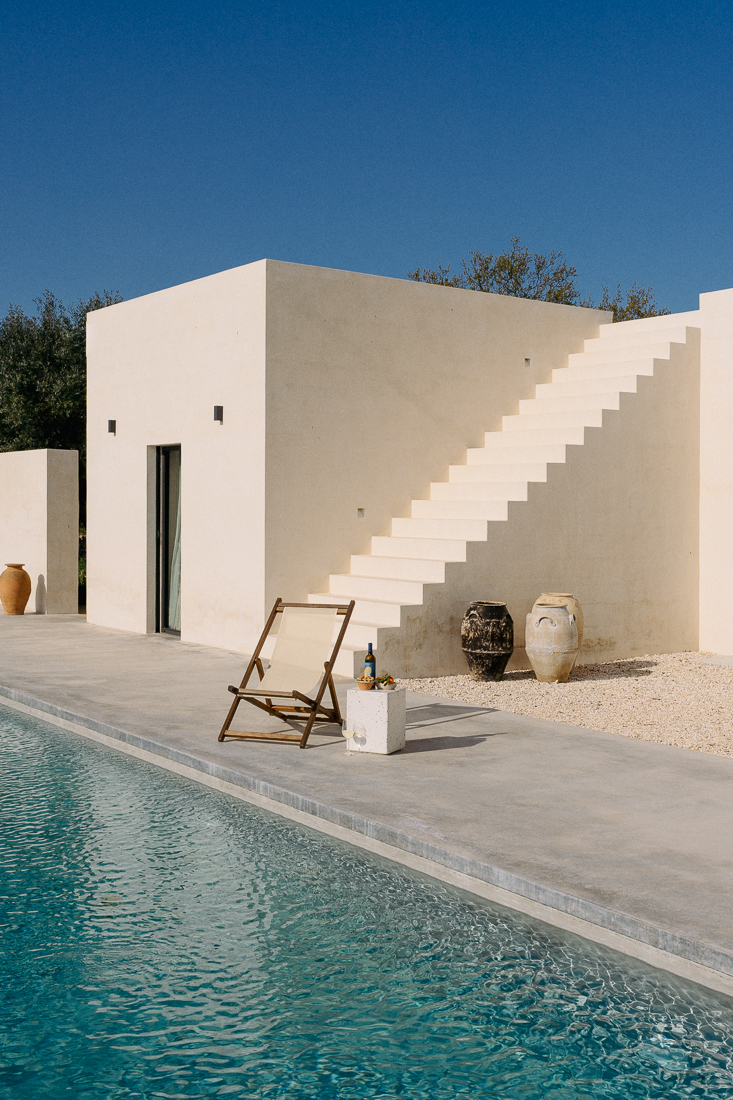
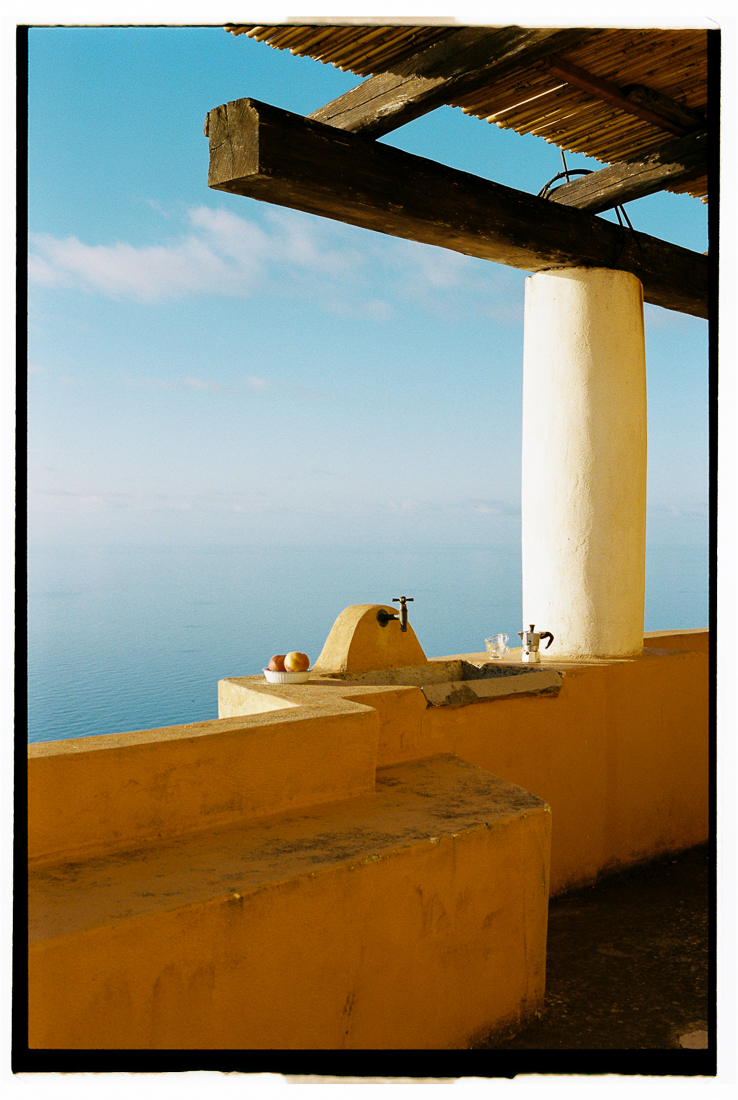
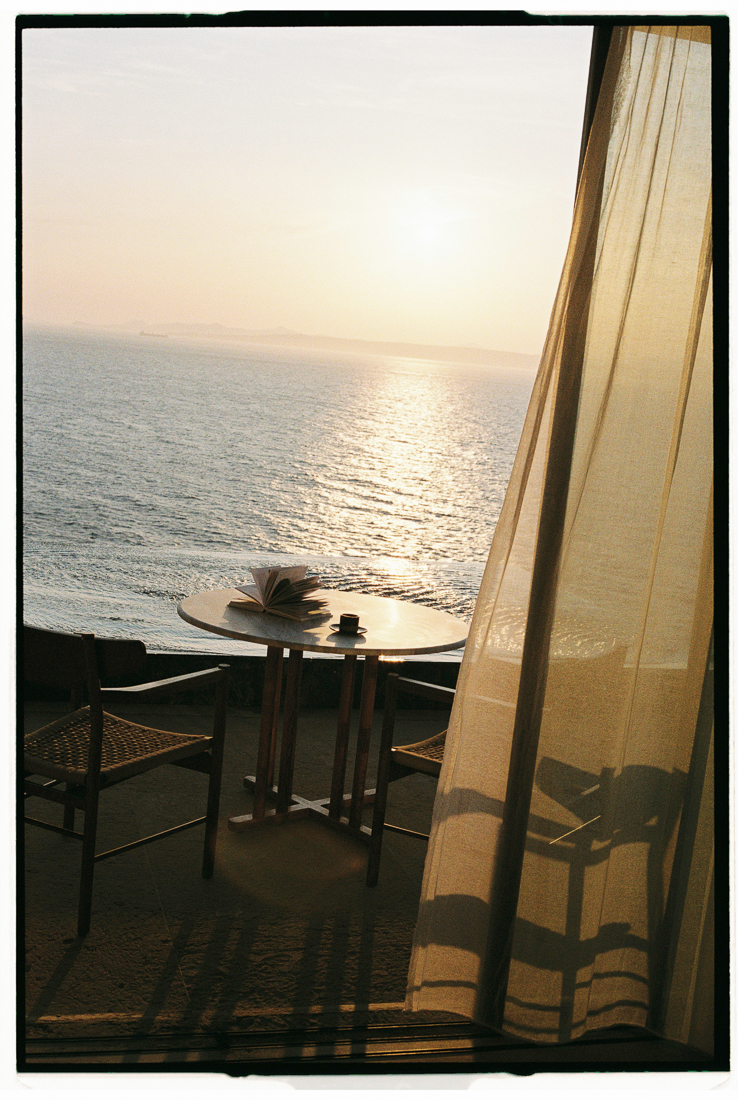
A significant aspect of his practice is his commitment to analog photography. Working predominantly with film, Ornelas embraces the slower, more intentional rhythm it demands. The limitations and unpredictability of the medium become part of his creative process, encouraging patience and a heightened awareness of the moment before the shutter is released. This analog approach reinforces his interest in authenticity, where imperfections are not corrected but embraced as part of the image’s honesty. His photographic style often moves between documentary observation and aesthetic sensitivity. Whether portraying architectural details, domestic interiors, or fleeting human gestures, he maintains a consistent focus on atmosphere over action. The result is a body of work that feels quiet yet emotionally resonant, where stillness becomes a central narrative element.